Creating Unforgettable Experiences at Corporate Gala Nights
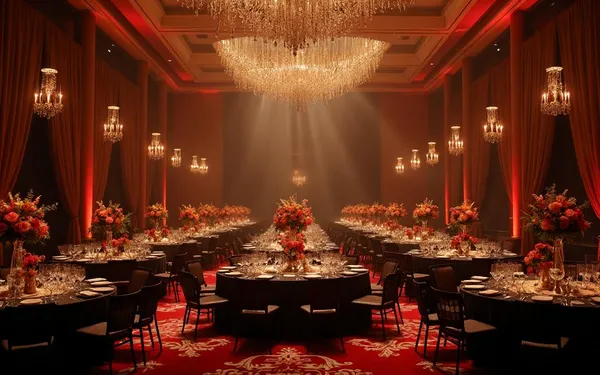
Corporate gala nights are not merely celebratory gatherings; they are meticulously crafted spectacles designed to leave a lasting impression, reinforce corporate identity, and foster invaluable connections. For leading organizations, these events serve as powerful platforms to elevate brand perception, acknowledge achievements, and engage stakeholders in an immersive and memorable environment.
Corporate gala nights are important events that reflect a brand's prestige and values. A successful gala requires perfect harmony of every detail from concept development to stage design, from menu planning to entertainment programming.
The strategic planning of a corporate gala begins far before the first guest arrives. It encompasses a holistic approach where each element is carefully curated to align with the core objectives of the event. Whether the goal is to celebrate a significant milestone, launch a new product, or express gratitude to employees and clients, every decision, from the overarching theme to the smallest decorative accent, contributes to the overall success. Our experience at Magnus DMC has shown that a gala’s triumph lies in its ability to seamlessly weave together disparate elements into a cohesive and impactful narrative that resonates deeply with attendees. This demands not only creative vision but also meticulous logistical execution, ensuring that every touchpoint from the invitation to the post-event follow-up reinforces the desired message and elevates the brand experience.
Concept and theme selection determines the spirit of the gala.
An original and impressive concept that aligns with the brand's DNA ensures participants engage with the experience from the very first moment.
The conceptualization phase is arguably the most critical step in organizing a corporate gala, as it lays the foundation for all subsequent decisions. A well-defined concept acts as the central guiding principle, ensuring consistency and coherence across all event elements. For instance, a technology company might opt for a futuristic theme featuring interactive digital installations and augmented reality experiences, while a heritage brand could choose a timeless, opulent theme celebrating its legacy with classical music and vintage aesthetics. The theme should be more than just decorative; it should be integrated into every aspect, from the color palette and décor to the catering and entertainment. This holistic application ensures an immersive experience, preventing the theme from feeling superficial or tacked-on.
When developing a concept, it is essential to consider the target audience, the desired mood, and the key message the brand wishes to convey. Is the gala intended to inspire, entertain, educate, or celebrate? Understanding these objectives allows for the creation of a theme that genuinely resonates. At Magnus DMC, we often leverage our deep understanding of the local culture and historical significance in destinations like İstanbul to create unique themes that blend corporate elegance with the rich tapestry of Turkish heritage. Imagine a "Silk Road Splendor" theme for a global logistics firm, incorporating elements of East-meets-West design, traditional Turkish music, and a menu featuring fusion cuisine, creating an unforgettable narrative that speaks to global connectivity and historical exchange.
A common pitfall in concept development is choosing a theme that is overly generic or so complex that it becomes difficult to execute effectively. Another mistake is failing to integrate the brand's DNA authentically. The theme should enhance, not overshadow, the brand. Key Performance Indicators (KPIs) for concept success include attendee engagement levels, social media buzz generated around the theme, and post-event feedback regarding the uniqueness and appropriateness of the concept. An expert tip is to conduct a brainstorming session with diverse stakeholders – including marketing, HR, and even a few target guests – to gather a wide range of ideas and ensure the chosen concept has broad appeal and relevance.
Venue selection and decoration play a decisive role in creating the atmosphere.
Details such as lighting design, floral arrangements, and table layout should be designed with a professional aesthetic understanding.
The venue is more than just a location; it's a character in the narrative of your gala. Its architecture, capacity, history, and amenability to transformation must align perfectly with the chosen concept. For a grand, illustrious gala in İstanbul, historical venues like the Çırağan Palace Kempinski, with its Ottoman grandeur and Bosphorus views, or the magnificent Sait Halim Paşa Yalısı, offer unparalleled backdrops that inherently elevate the event's prestige. Conversely, a modern, minimalist theme might find its perfect home in contemporary art galleries or purpose-built event spaces offering clean lines and advanced technical capabilities. Considerations such as accessibility for guests, proximity to major transport links, and availability of premium accommodation are also paramount, particularly for international attendees.
Once the venue is selected, the decoration transforms the space into an immersive environment reflective of the gala's theme. Lighting design is a powerful tool to evoke mood and highlight architectural features; sophisticated installations can cast dynamic patterns, change colors throughout the evening, or perfectly illuminate focal points like the stage or key art installations. Floral arrangements, beyond mere aesthetics, contribute to the sensory experience, with scents adding another layer to the atmosphere. Careful consideration of bloom types, color schemes, and structural arrangements – from towering centerpieces to delicate individual place settings – reinforces the theme. Table layouts, too, are crucial, balancing intimate conversational areas with opportunities for networking, while ensuring smooth traffic flow and optimal sightlines to the stage.
Common mistakes in venue selection often include underestimating the technical requirements of the event, such as power supply for sophisticated AV equipment, or insufficient space for behind-the-scenes operations like catering preparation and talent dressing rooms. Over-decoration can also detract from the venue's natural beauty or create a cluttered feel. Expert tips from a DMC perspective in a city like İstanbul include leveraging the Bosphorus views where possible, perhaps with an outdoor reception or a dinner cruise segment, to add an iconic local touch. Always conduct a detailed site visit with your technical team to assess all logistical aspects. A professional aesthetic understanding ensures that every decorative element, from the linens and flatware to the bespoke signage, contributes to a cohesive and elegant visual story, enhancing brand perception rather than merely filling space.
The entertainment program is the most memorable part of the gala.
Live music, special performances, and interactive experiences are the elements that make the night unforgettable.
While aesthetics set the scene, the entertainment program injects energy, captivates the audience, and creates the indelible memories attendees associate with your brand. The choice of entertainment should directly align with the gala's theme and target demographic. For a sophisticated corporate audience, hiring a world-class classical orchestra, a renowned jazz ensemble, or a contemporary pop artist with broad appeal can significantly elevate the experience. Beyond musical acts, unique performances such as aerialists, illusionists, sand artists, or custom theatrical productions can provide unexpected moments of wonder and engagement. In İstanbul, we frequently collaborate with exceptional local talents, from traditional Turkish whirling dervishes (Sema) offering a culturally rich performance, to modern Turkish pop stars, ensuring an authentic and exhilarating experience.
To make the entertainment truly unforgettable, consider interactive elements that invite guests to participate rather than solely observe. This could range from a silent disco where guests choose their music, to digital photobooths with custom backdrops and props, or even live art installations where artists create pieces in real-time, encouraging guests to observe the creative process. Culinary demonstrations by celebrity chefs can also double as entertainment, engaging multiple senses. The goal is to break the ice, foster connections, and create shared experiences that become talking points long after the event concludes. However, balance is key: while interaction is good, ensure it doesn't interrupt key program elements or overwhelm guests who prefer to observe.
A common mistake in entertainment planning is underestimating the technical requirements, such as sound engineering, lighting rigs, and stage management, which are crucial for a flawless performance. Another pitfall is selecting entertainment that is too niche or fails to resonate with the entire audience, leading to disengagement. KPIs for entertainment success include attendee applause and engagement during performances, social media mentions of specific acts, and positive feedback in post-event surveys regarding the entertainment quality and relevance. An expert tip is to conduct thorough talent vetting, including reviewing live performance videos and checking references, to ensure professionalism and quality. Also, always have a contingency plan for your entertainment, especially when relying on international artists, to mitigate any unforeseen circumstances.
The gastronomic experience is indispensable for a gala that appeals to all senses.
Special menus, chef presentations, and themed food and beverage stations surprise and delight participants.
The culinary journey at a corporate gala is a cornerstone of the guest experience, capable of elevating the event from merely pleasant to truly extraordinary. It's an opportunity to showcase not only culinary excellence but also a nuanced understanding of your guests' preferences and the event's theme. Rather than standard banquet fare, bespoke menus demonstrate thoughtful attention to detail. This could involve multi-course tasting menus designed by Michelin-starred chefs, incorporating seasonal, locally sourced ingredients to reflect sustainability and quality. For international galas in Türkiye, integrating elements of sophisticated Turkish cuisine – perhaps a modern twist on Ottoman-era dishes or a contemporary interpretation of mezze – offers guests a unique cultural immersion. Dietary restrictions and preferences must be meticulously managed, offering elegant and appealing options for all attendees, including vegetarian, vegan, gluten-free, and allergen-sensitive dishes, ensuring no guest feels overlooked.
Beyond the main meal, creative food and beverage stations add an element of discovery and interaction. Themed stations can mirror the gala's concept, like an "Ege Oasis" station offering fresh seafood and Mediterranean salads, or a "Spice Bazaar" station featuring exotic Turkish street food reimagined for fine dining. Live chef presentations, where culinary artists prepare dishes or demonstrate intricate techniques in front of guests, provide both entertainment and an appetizing aroma. These stations encourage guests to move, mingle, and explore, enhancing the networking opportunities. Curated beverage pairings, from fine wines and craft cocktails to specialty non-alcoholic options, should be expertly matched with the menu, providing a complete sensory experience.
A significant mistake in gastronomic planning is overlooking the logistical complexities of catering for a large, high-end event, including sufficient kitchen facilities, refrigeration, and skilled service staff. Another common error is failing to reflect the brand's premium image through the quality and presentation of the food. KPIs for culinary success include positive feedback on food quality and presentation, the variety of options, and the efficiency of service. Expert tips from Magnus DMC include conducting detailed menu tastings well in advance, working closely with executive chefs to customize every dish, and ensuring a robust service staff-to-guest ratio for impeccable service. Always consider the flow of food service to avoid bottlenecks and long queues, especially at buffet or live-station setups, ensuring a seamless and elegant experience from aperitif to dessert.
Sonuç
Crafting an unforgettable corporate gala night is an art form that demands meticulous planning, creative vision, and flawless execution. From the initial spark of a concept to the final, lingering taste of a perfectly paired dessert, every detail contributes to a symphony of experiences designed to delight, impress, and reinforce brand prestige. By strategically aligning theme, venue, entertainment, and gastronomy, organizations can transform these events into powerful tools for stakeholder engagement and brand elevation. At Magnus DMC, we understand that a truly successful gala is not just an event; it's a meticulously engineered narrative that resonates long after the final applause, leaving a legacy of connection and distinction.