Bleisure: When Corporate Travel Stays a Little Longer
Bleisure: The Extended Version of Corporate Travel
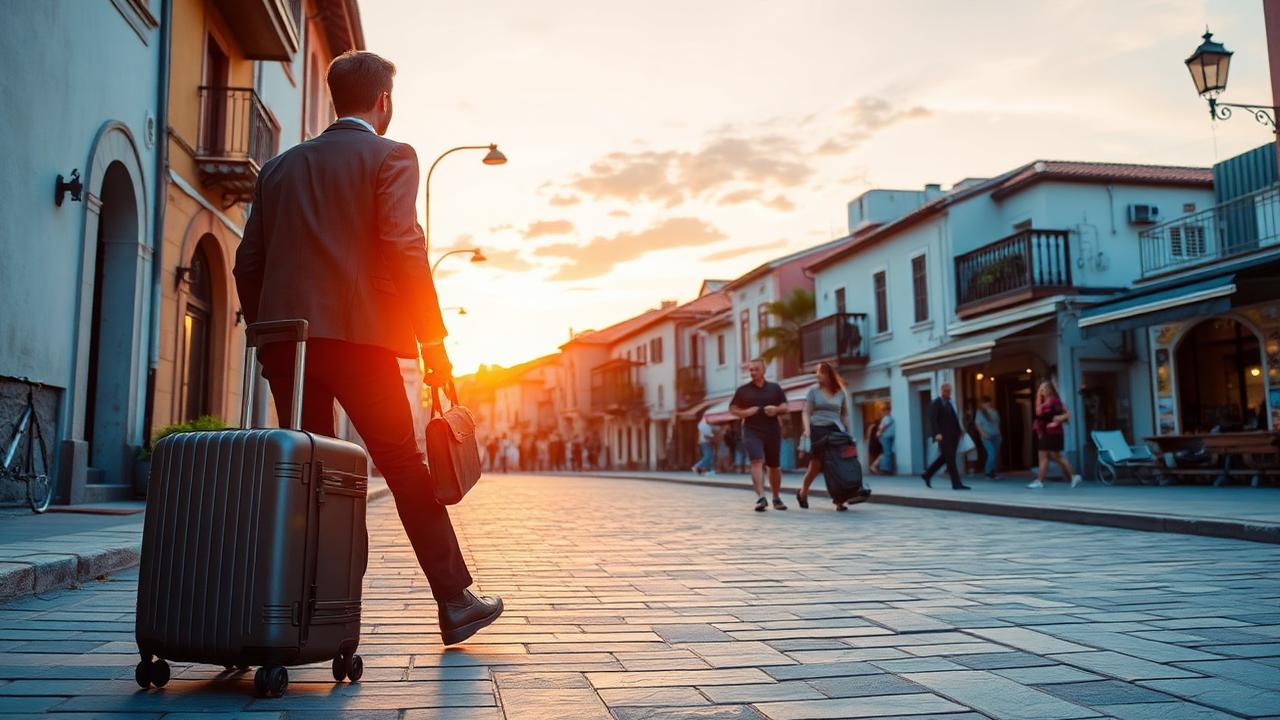
Today, business travel is no longer limited to formal purposes such as meetings, congresses, or trade fairs. Employees want to add personal experiences to their business trips and get to know their destinations more closely. This is where the concept of “Bleisure” emerges: a blend of the words business and leisure, this trend represents the extended and enriched version of corporate travel.
At Magnus DMC, we do not see Bleisure as simply staying a few extra days at the destination. This approach is a strategic experience design that increases participant productivity, reinforces the company's investment in employee satisfaction, and maintains post-event motivation over the long term. When planned correctly, Bleisure offers a win-win model for both the employee and the employer.
Why Is Bleisure Popular?
The widespread adoption of remote work culture has radically changed employees' expectations regarding time and place. Many professionals no longer want to return home after long flights and intense programs; they want to explore the destination, become part of the local culture, and collect personal memories. Bleisure is a corporate-level response to this new employee expectation.
For companies, Bleisure is an effective tool for increasing employee loyalty, attracting talent, and balancing team stress levels. Especially Generation Z and beyond value work-life balance and personal development opportunities. Companies offering Bleisure opportunities meet these expectations and build a more competitive employer brand.
How Is It Integrated into the Corporate Program?
For Bleisure to be successful, it should not be left to spontaneity. On the contrary, it must be integrated from the design stage of the event program. For example, after a congress, participants can be offered an optional two-day “discovery” program. This program can include half a day of free time and half a day of organized cultural activities.
At Magnus DMC, we design Bleisure components in alignment with corporate goals. Options such as networking golf for executives, hiking routes for teams, or museums and cooking workshops for individual participants can be offered. In addition, “family-friendly” Bleisure extensions that invite participants' families make the event even more valuable.
Design According to Target Audience
The Bleisure experience should vary according to the participant profile. For C-level executives, a private wine tasting, art gallery visit, or luxury spa experience may be appropriate. For sales teams, adventure activities or outdoor experiences that strengthen team spirit may be preferred. Technical teams may be interested in workshop visits, innovation centers, or startup meetups.
Personalization is critically important here. Conducting preference surveys in advance, offering recommendations based on interests, and preparing flexible programs increase the impact of Bleisure. Magnus DMC designs separate Bleisure packages for each participant profile, ensuring the experience is both meaningful and manageable.
Logistics and Safety Planning
While flexibility is one of the biggest advantages of Bleisure, this flexibility requires careful logistical planning. Participants' extended accommodations, transfers, insurance, and emergency communications must be organized in advance. In addition, group management can become complicated if different participants return on different dates.
Safety is especially important in Bleisure programs. Participants may move alone or in small groups during their free time; therefore, 24/7 support hotlines, local emergency information, and safe area recommendations should be provided. Magnus DMC plans Bleisure extensions in accordance with the company's risk management policies and provides detailed information to participants.
Balance Between Productivity and Rest
The most common mistake in Bleisure is failing to establish the balance between “business” and “leisure.” If the extended days still include constant meetings or mandatory activities, participants feel exhausted. Therefore, official programs during Bleisure days should be kept to a minimum, and participants should be given real space to rest.
Research shows that employees return to work more motivated and productive after a short period of personal exploration. Bleisure should be positioned not as a “reward,” but as part of a sustainable productivity strategy. Magnus DMC maintains this balance in program design, ensuring participants feel both rested and that they have had valuable experiences.
Reporting and ROI Measurement
To prove the benefit of Bleisure to the company, it must be measured with the right metrics. Participant satisfaction, employee loyalty, post-return productivity, and event cost-benefit analysis can be evaluated in this context. In addition, the long-term impact of offering Bleisure on employer brand and talent attraction should be monitored.
At Magnus DMC, after Bleisure programs we provide an evaluation including participant feedback, cost reports, and recommendations. These reports provide concrete insights on how to optimize Bleisure components for the next event. This data-driven approach transforms Bleisure from a luxury into a strategic human resources investment.
Bleisure is one of the strongest trends shaping the future of corporate travel. In this period where the boundaries between work and life are becoming more flexible, companies should offer employees not just an event, but an experience and opportunity for discovery. At Magnus DMC, we are by your side to turn Bleisure into a safe, memorable experience aligned with your corporate goals.