Slow MICE: The Deep, Unhurried Event Trend of 2026
Slow MICE: The Deep, Unhurried Event Trend of 2026
For years, the MICE industry has operated under the motto "more, faster, more intense." Five cities squeezed into three days, non-stop programs running from dawn until midnight, and landscapes viewed only through bus windows were long considered the gold standard of success. However, as we approach 2026, the weary professionals of the modern business world no longer want to rush around like "tourists." Instead, they seek to become "experiencers" who touch the soul of the places they visit. This is where the concept of Slow MICE emerges—not just as a trend, but as a philosophy shaping the future of corporate events.
At Magnus DMC, we predict that in 2026 incentive travels, depth will replace speed, and quality will surpass quantity. The fundamental factor that maximizes the Return on Investment (ROI) of a corporate event is when participants return not exhausted, but mentally refreshed and genuinely bonded with their teams. In this new era, the key to success is not adding more items to the agenda, but deepening the impact of the existing ones.
One Destination, Longer Stay
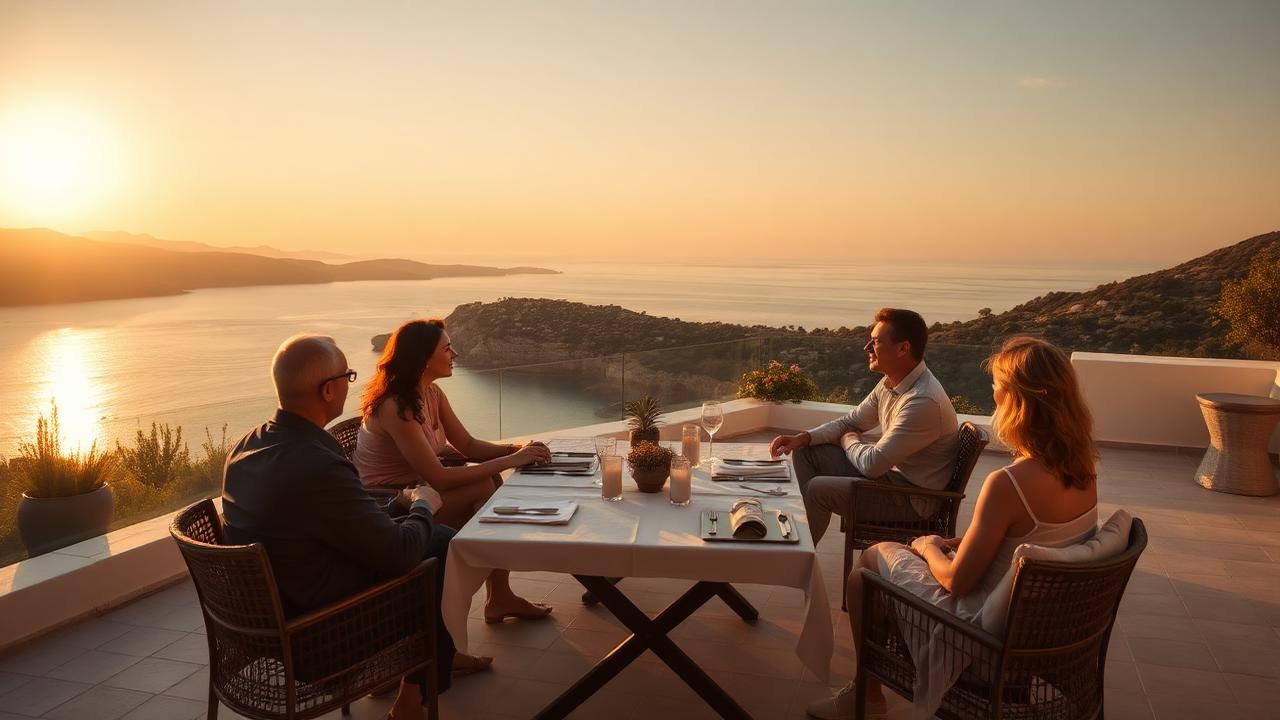
The "panoramic" tours often seen in traditional programs, covering three different cities in three days, create significant transfer fatigue and logistical stress for participants. In the Slow MICE approach, the group stays longer in a single region or city. This choice allows time usually lost to packing and check-in processes to be redirected toward discovering the hidden gems of that specific area. For example, rather than crossing Italy from end to end, spending four days in a single town in Tuscany allows participants to truly feel the local texture.
This strategy also serves sustainability goals by reducing the carbon footprint. Fewer vehicle transfers and fewer domestic flights minimize environmental impact while allowing the budget to be shifted from logistics to accommodation quality or exclusive experiences. Participants begin to see their hotel not just as a place to sleep, but as a temporary home.
A Program That Breathes
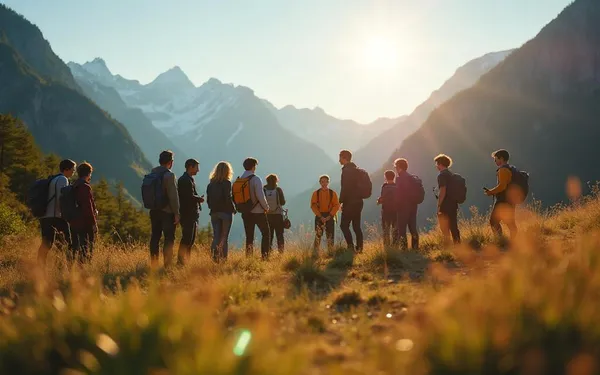
The success of an incentive program is not measured by every minute being filled. On the contrary, overloaded agendas reduce participants' attention spans and mechanize social interaction. In the model we propose, a maximum of two core experiences or sessions are designed per day. This "breathing" design grants participants the space to move at their own pace, extend a coffee break, or engage in serendipitous conversations.
Open hours are not a gap in the program; they are a conscious design element. A program that offers the luxury of a late breakfast or the opportunity to read a book in the hotel garden in the late afternoon is the most tangible indicator of the value placed on the employee. These free moments allow team members to bond naturally, away from hierarchy, and create the most sincere stories to share on the return journey.
Local and Authentic Content
Standard dinners in tourist squares no longer excite anyone. In the world of 2026, luxury is defined by "authenticity" rather than "accessibility." Working leather in an artisan's workshop, harvesting grapes with a local winemaker, or shopping at a village market and cooking the region's traditional dish together leaves far more lasting impressions than staged tourist shows.
At Magnus DMC, we collaborate with local communities in our events to make participants part of the region's real story. These authentic encounters increase the participant's cultural capital while strengthening loyalty to the brand. People may forget the gifts they receive, but they never forget the feeling of being involved in the creation of a piece made by a local master's hands.
Wellness Integration
Wellness is no longer an "extra" sprinkled into programs; it is a necessity that forms the backbone of the event. A silent morning walk in nature, a breathwork session led by a professional instructor, or a brainstorming session held outdoors on cushions instead of in a classic meeting room keeps team energy high throughout the day.
This approach targets the "mental clarity" that modern office workers need most. When physical activity and mental relaxation techniques are integrated into the program, tension among participants decreases and creative problem-solving capacity increases. A wellness-focused MICE event is the strongest proof of a company's commitment to employee health and well-being.
Digital Detox Moments
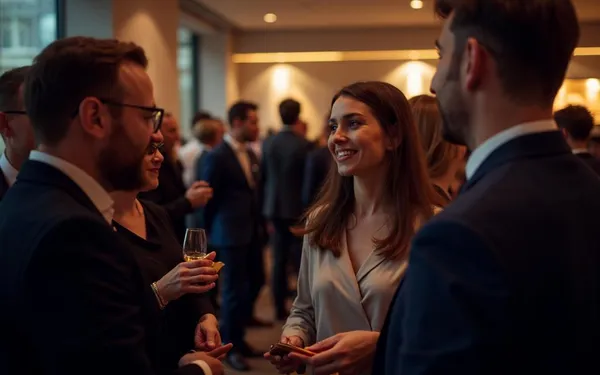
In an environment of constant notifications and email checking, building a real connection is impossible. The Slow MICE philosophy encourages "digital detox" periods during certain sessions or dinners, where phones are kept off. These short breaks allow participants to focus on the moment and move beyond work topics with the colleague beside them.
In events where digital detox is applied, we observe a measurable increase in eye contact and deep conversation among participants. In a workshop where phones are set aside, creativity and team solidarity peak. The goal is not to capture the perfect photo for social media, but to live that moment with all the senses.
Impact Measurement
Traditional MICE success criteria often rely on quantitative data such as "how many people attended?" or "how many photos were shared?" However, in 2026, success will be measured by behavioral change and long-term team loyalty. Post-event surveys should ask not only about hotel quality, but also how refreshed participants felt and how much their trust in colleagues increased.
At Magnus DMC, we recommend tracking the program's impact in the months following the event. Reduced internal conflicts, improved project delivery times, and employees' sense of belonging to the company are the real fruits of a Slow MICE strategy. Success is seeing a calmer, more motivated team back in the office rather than a photo album full of pictures.
Slow MICE is not about cutting budgets or reducing activities; on the contrary, it is about distributing the same budget across fewer items but with much greater impact power. If participants return from the trip not tired and exhausted, but rested and inspired, then the program has achieved its purpose. The future of events will belong not to those who are "faster," but to those who leave deeper marks.