The Power of Corporate Team Building Events
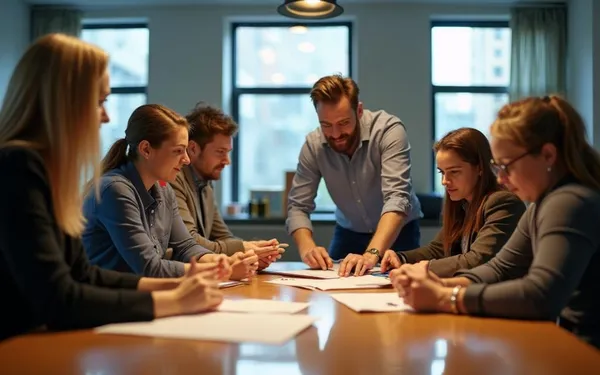
In today's dynamic and interconnected business landscape, fostering a cohesive and high-performing team is paramount for sustained success. Companies are continually seeking innovative strategies to cultivate stronger internal bonds, enhance communication, and unlock the collective potential of their workforce. The strategic implementation of kurumsal takım çalışması etkinlikleri, or corporate team building activities, has emerged as a cornerstone of modern human resource development and organizational excellence. These meticulously planned engagements go far beyond mere recreational outings; they serve as critical investments in a company's most valuable asset—its people. By thoughtfully designing and executing these programs, organizations can achieve a multitude of objectives, ranging from boosting morale and productivity to fostering a more inclusive and innovative workplace culture.
Team building events are powerful tools that enhance team harmony and performance in the modern business world. A well-designed team building program develops trust, communication, and collaboration among employees.
Magnus DMC, with its deep understanding of both local and international corporate event needs, recognizes that the essence of effective team building lies in its intentional design and strategic alignment with organizational goals. These programs are not simply a pastime; they are carefully crafted experiences aimed at addressing specific challenges and fostering desired behaviors. For instance, a program designed to foster innovation might involve creative problem-solving challenges, while one focused on improving cross-departmental communication could utilize activities requiring complex coordination. The underlying principle is always to create a safe, engaging environment where individuals can shed work-related hierarchies, interact authentically, and experience the tangible benefits of collective effort. Measuring the success of these initiatives often involves pre and post-event surveys assessing employee engagement, perceived communication effectiveness, and inter-team trust, alongside more objective metrics like project completion rates and reduction in inter-departmental conflicts. A common mistake to avoid is treating team building as a one-off event rather than an ongoing process that reinforces positive team dynamics over time.
Expert tip from Magnus DMC: When planning team building in Istanbul, consider venues that offer a blend of culture and challenge, like historical sites or traditional workshops, allowing teams to connect with the city's unique identity while engaging in collaborative tasks. This creates a memorable experience that intrinsically links team growth with a sense of place and discovery. For example, a culinary challenge using local Turkish recipes not only promotes teamwork but also offers an authentic cultural immersion.
The real power of corporate team building activities lies in their ability to translate theoretical concepts of teamwork into tangible, experiential learning. Through shared challenges and successes, participants develop a deeper understanding of each other's strengths, working styles, and communication preferences. This firsthand experience builds empathy and psychological safety, critical elements for high-performing teams. Effective programs are typically designed with clear learning objectives, such as enhancing leadership skills, improving conflict resolution, or fostering a more inclusive environment. Post-event debriefs, facilitated by experienced professionals, are crucial for reflecting on the activity and drawing direct parallels between the lessons learned and their application back in the workplace. Without proper debriefing, even the most engaging activity can miss its full potential for lasting impact.
Outdoor activities enable teams to step outside their comfort zones and develop problem-solving skills together.
Nature hikes, orienteering, and adventure courses strengthen team dynamics.
Outdoor team building activities, particularly those leveraging Istanbul's unique geographical features and natural beauty, offer an unparalleled environment for fostering resilience, innovative thinking, and robust communication. Imagine a day spent navigating the lush forests surrounding Polonezköy or conquering challenges within a specially designed adventure park on the Asian side of Istanbul. These settings naturally strip away conventional office hierarchies and encourage individuals to rely on their teammates in unfamiliar contexts. The challenges presented are often physical and mental, ranging from low-ropes courses that require intricate coordination and trust to orienteering exercises that demand strategic planning and clear communication under time pressure. The success of these activities hinges on collective participation and mutual support, thereby organically strengthening interpersonal bonds and improving problem-solving capabilities within the team.
When designing outdoor programs, Magnus DMC emphasizes a "challenge by choice" philosophy, allowing participants to engage at their comfort level while still pushing personal boundaries. This approach ensures inclusivity and maximizes engagement across diverse teams. Key Performance Indicators (KPIs) for outdoor activities often include self-reported measures of increased confidence, improved problem-solving efficacy, and enhanced peer-to-peer communication. Overcoming a shared physical or mental obstacle in a natural setting creates powerful, lasting memories and a sense of collective achievement that directly translates back into the workplace as heightened team morale and a stronger collaborative spirit. A common pitfall is underestimating the physical requirements or failing to consider accessibility for all team members; a premium DMC ensures all logistics, including transportation, equipment, safety briefings, and contingency plans for weather, are meticulously handled.
Furthermore, outdoor team building activities provide an excellent opportunity for leaders to observe team dynamics in an unfiltered environment. Away from the structured office setting, natural leadership qualities often emerge, and communication breakdowns become more apparent. Facilitators can then provide immediate, constructive feedback and guide teams through effective problem-solving strategies in real-time. For instance, a GPS treasure hunt through a historical Istanbul district like Sultanahmet, requiring teams to decipher clues and navigate intricate paths, can reveal strengths in delegation, resource management, and crisis communication. The fresh air and change of scenery inherently reduce stress and can spark creativity, leading to breakthroughs in problem-solving that might not occur in a conventional meeting room. Post-activity discussions are vital to connect these experiential learnings directly to business objectives, framing challenges faced during the activity as metaphors for workplace scenarios.
Creative workshops make it possible to experience teamwork from a different perspective.
Painting, music, cooking, or drama workshops reveal the creative potential of teams.
Creative workshops offer a refreshing departure from traditional team building, tapping into a different facet of human intelligence and collaboration. These activities, often conducted in inspiring venues across Istanbul – from art studios in Karaköy to professional kitchens in Nişantaşı – encourage teams to engage in divergent thinking and collective expression. A painting workshop, for example, might involve creating a collaborative mural where each team member contributes to a larger vision, fostering an understanding of how individual efforts combine to form a cohesive whole. Similarly, a drumming circle or a short musical composition challenge can highlight the importance of rhythm, timing, and listening to others, all while producing a harmonious outcome. The non-conventional nature of these tasks often breaks down social barriers, allowing for more authentic interactions and revealing hidden talents within the team.
The beauty of creative workshops lies in their ability to foster psychological safety and encourage experimentation. There's no "wrong" answer in art, music, or culinary creation, which liberates individuals to take risks and express themselves freely. This environment is conducive to brainstorming and innovation, directly benefiting a company’s broader goals of fostering a creative and adaptable workforce. When selecting a workshop, Magnus DMC considers the team's professional context; for a marketing team, a video production or storytelling workshop might be ideal, while an engineering team could benefit from a robotics or design thinking challenge. KPIs for creative workshops might include measures of participant satisfaction, perceived increase in creativity, and improved inter-departmental communication, often gauged through qualitative feedback and observing how collaborative ideas transfer back to daily work. A common pitfall is choosing a workshop that doesn’t genuinely appeal to the diverse interests of team members, leading to disengagement; personalization and variety are key.
Expert tip from Magnus DMC: Leverage Istanbul's rich artistic and culinary heritage for truly unique creative workshops. A workshop on traditional Turkish marbling art (Ebru) or a hands-on cooking class preparing authentic Ottoman dishes not only fosters team cooperation but also provides a deep cultural immersion that adds significant value to the experience. These activities create opportunities for shared learning and pride in a co-created artifact or meal, deepening team bonds. The process of starting from scratch and collectively producing something tangible, whether it's a painting, a song, or a gourmet meal, provides a powerful metaphor for project development and the value of varied contributions within a team. Such workshops particularly excel at demonstrating how individual creativity flourishes when supported by collective effort and constructive feedback.
Corporate Social Responsibility (CSR) projects infuse team building with a powerful sense of purpose, elevating the experience beyond mere activity to one of profound collective impact. In a city like Istanbul, with its vibrant communities and diverse needs, there are countless opportunities for teams to engage in projects that truly make a difference. Imagine a team spending a day renovating a local school, planting trees in an urban park, or organizing a food drive for a neighborhood in need. These activities not only demand structured teamwork, problem-solving, and resource allocation but also connect employees to a cause greater than themselves. The shared experience of contributing positively to society fosters a deep sense of camaraderie, shared values, and pride, creating a bond that transcends typical workplace interactions.
The success of CSR-based team building is often measured not just by the tangible output of the project (e.g., number of trees planted, meals served) but also by the intangible benefits to the team. Metrics can include increased employee engagement and morale, improved perception of corporate values, and a stronger sense of loyalty to the organization. Surveys often reveal that employees who participate in CSR initiatives report higher job satisfaction and a greater sense of purpose in their work. A crucial element for Magnus DMC in orchestrating these projects is careful selection of a cause that resonates with the company's values and opportunities for genuine, hands-on contribution. superficial activities that feel performative can be detrimental. The goal is to facilitate authentic engagement that leaves both the community and the team feeling enriched.
Expert tip from Magnus DMC: For CSR projects in Istanbul, partner with reputable local NGOs or community centers. This ensures that the team's efforts directly address genuine needs and have a lasting impact. For instance, a coastal clean-up along the Bosphorus not only promotes environmental awareness but also offers a visually impactful and physically engaging team challenge with immediate, tangible results for the city landscape. Such activities effectively demonstrate a company's commitment to good corporate citizenship, enhancing its reputation among employees, customers, and the wider public. These projects highlight the collective capacity of a team to effect positive change, reinforcing the idea that together, they can overcome significant challenges, whether in the community or in the office.
Digital and hybrid team building solutions bring remote teams together.
Online escape rooms, virtual hackathons, and interactive quiz formats transcend physical distance.
In an increasingly globalized and remote-work-centric world, digital and hybrid team building solutions have become indispensable tools for fostering connection and collaboration across geographical divides. For distributed teams, including those with members across different cities in Türkiye or international locations, these platforms provide crucial opportunities to interact meaningfully outside of routine project discussions. Online escape rooms, for instance, challenge teams to solve puzzles and communicate under pressure using virtual tools and shared platforms, mirroring real-world problem-solving scenarios. Virtual hackathons can bring diverse skill sets together to innovate collaboratively on a specific business challenge, while interactive quiz formats, scavenger hunts, or collaborative digital art projects offer engaging ways for team members to learn about each other and work together in a fun, low-stakes environment. Magnus DMC recognizes that these solutions are not merely substitutes for in-person events but powerful modalities in their own right, capable of creating unique bonding experiences.
The effectiveness of digital and hybrid solutions lies in their interactive design and their ability to bridge physical gaps using technology. They require robust platforms, engaging content, and skilled virtual facilitation to ensure all participants feel included and actively contribute. Key Performance Indicators (KPIs) for these events often include participation rates, qualitative feedback on engagement and enjoyment, and perceived improvements in team communication and cohesion, especially among team members who rarely meet in person. A common mistake is to simply replicate an in-person activity online without adapting it for the digital medium, leading to awkward or disengaging experiences. A successful digital event is specifically designed to leverage the advantages of the virtual space, incorporating features like breakout rooms, interactive polls, collaborative documents, and dynamic visual elements.
Expert tip from Magnus DMC: When designing hybrid events, ensure that both in-person and remote participants have an equally engaging and inclusive experience. This might involve setting up dedicated virtual hosts for remote attendees, integrating interactive polling that includes both groups, or using technology that allows seamless interaction between physical and virtual spaces. For example, a hybrid cooking class where in-person teams prepare dishes while remote teams follow along with ingredients delivered to their homes, all linked by a professional online chef, can foster incredible shared experiences and a sense of collective achievement, regardless of physical location. These events cultivate digital literacy and collaborative tool proficiency, directly benefiting day-to-day remote operations.
Sonuç
Kurumsal Takım Çalışması Etkinlikleri are more than just an employee perk; they are a strategic imperative for any organization aiming to thrive in today's competitive environment. From fostering shared experiences in Istanbul's natural landscapes to nurturing creativity in its vibrant art studios, and from serving local communities to connecting global teams digitally, these initiatives significantly enhance organizational health. They build trust, refine communication, cultivate innovation, and instill a deeper sense of belonging and purpose among employees. By meticulously designing and executing these programs, companies—with the expert guidance of a premium DMC like Magnus DMC—can unlock their teams' full potential, translating improved internal dynamics into tangible business success, increased productivity, and a more resilient, engaged workforce ready to tackle any challenge.