Ways to Elevate the Attendee Experience
The attendee experience stands as the paramount determinant of an event's enduring success and reputation. While delivering exceptional content remains crucial, even minor inefficiencies or points of friction within the attendee journey can significantly diminish the overall perception. It is in the meticulous attention to detail that truly memorable experiences are forged, with every single touchpoint presenting an invaluable opportunity to engage, impress, and delight.
Fast and Warm Registration Experience
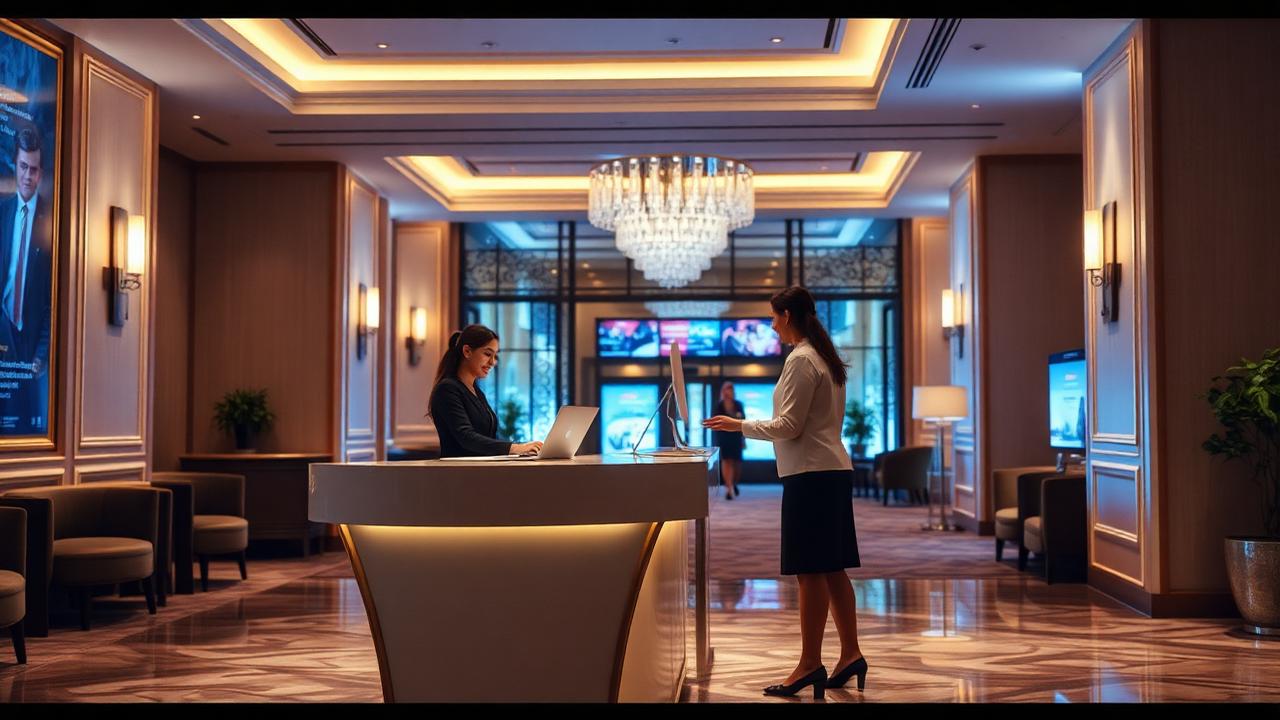
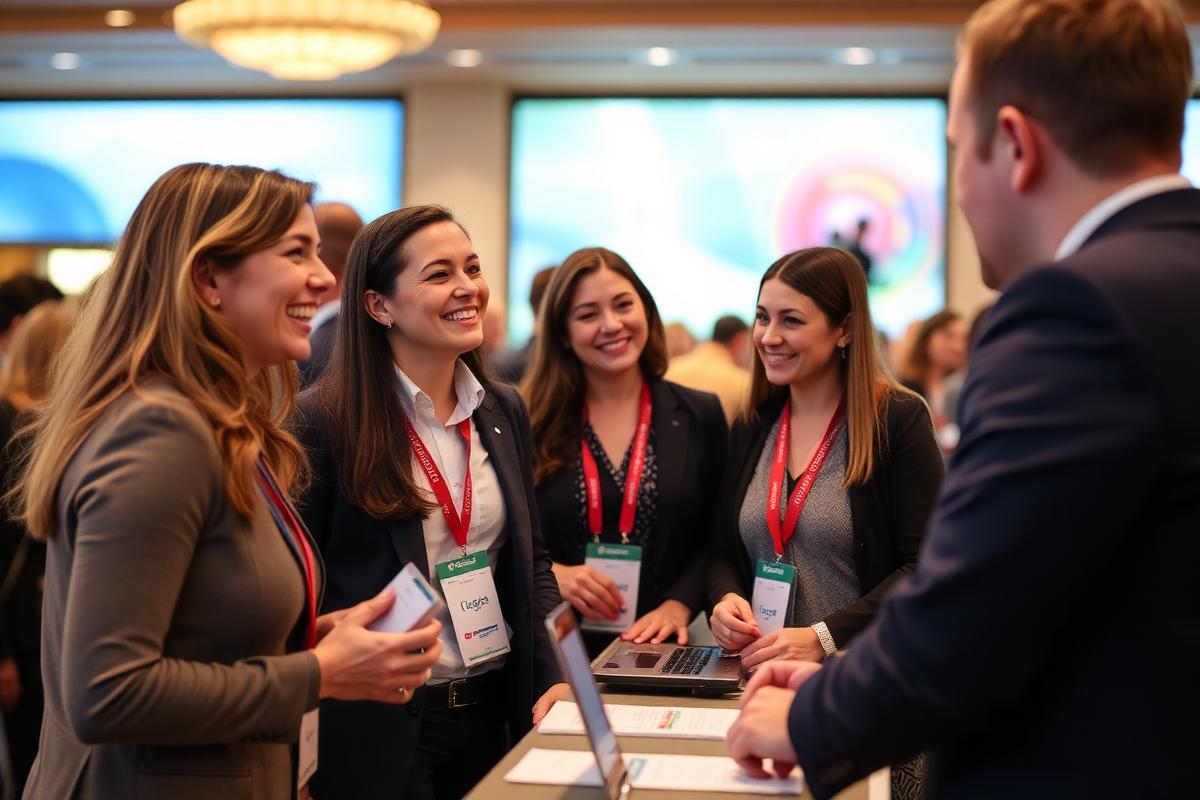
The attendee's journey, and indeed their first impression of your event, commences decisively at the registration desk. The strategic integration of cutting-edge digital check-in systems, optionally supported by biometric recognition for enhanced security and speed, and the proactive provision of pre-printed badges, collectively serve to dramatically minimize wait times and alleviate potential frustration. Beyond mere efficiency, the presence of genuinely friendly, professional, and well-briefed staff, coupled with thoughtful touches such as a refreshing welcome beverage or a small local treat upon arrival, unequivocally sets a positive and inviting tone for the entire event.
Common pitfalls in this stage often include inadequate staffing for expected attendee volumes, poorly designed check-in flows, or a lack of clear signage for registration queues. A robust digital registration platform can offer pre-check-in options, allowing attendees to complete most of the process before arriving, significantly reducing on-site bottlenecks. Consider a tiered registration approach for large events, where VIPs or speakers have dedicated, expedited lanes, further enhancing their premium experience. From a Türkiye/İstanbul DMC perspective, incorporating a traditional Turkish welcome, such as a small glass of çay (tea) or a lokum (Turkish delight), can add a unique and memorable cultural dimension to the registration process, provided it aligns with the event's overall theme and brand. Training staff not just on process, but on genuinely warm hospitality, is crucial. Their ability to greet attendees in multiple languages, or at least common phrases, especially in international events held in İstanbul, further elevates the professional image and comfort level of participants. Key Performance Indicators (KPIs) for registration include average wait time per attendee, feedback scores on check-in experience, and staff helpfulness ratings.
Another critical aspect involves technology integration and redundant systems. Relying solely on Wi-Fi for check-in can be risky; ensure there are offline capabilities or backup internet connections. Provide clear instructions beforehand on what attendees need for check-in (e.g., QR code, ID). For corporate events, consider direct integration with company HR systems for seamless delegate registration and pre-issuance of credentials. Post-registration, the immediate flow into the event space should be clear and intuitive, perhaps guided by ushers or clear directional signs, preventing any confusion right after the positive first impression. In İstanbul, utilizing historical venues sometimes presents architectural challenges for queue management and tech setup; a skilled DMC will have solutions to integrate modern efficiency with the venue's character, perhaps by creating aesthetically pleasing outdoor waiting areas or leveraging multiple entry points.
Poor wayfinding can lead to missed sessions, late arrivals, and a general sense of unease, directly impacting the attendee's perceived value of the event. Beyond static signs, dynamic digital displays at key intersections can provide real-time updates on session changes, speaker locations, or even social media feeds related to the event, creating a more engaging experience. Incorporating the event's branding and theme into the signage design can also reinforce the overall aesthetic and professional image. For historical or architecturally complex venues common in İstanbul, such as the Istanbul Congress Center or some of the larger hotel ballrooms, wayfinding needs to be particularly well-conceived, perhaps utilizing QR codes that link to specific location details within the event app, or even employing dedicated "venue ambassadors" who can personally guide attendees.
Expert tip: Consider an "event journey map" designed from the attendee's perspective, mapping out their likely paths and identifying potential confusion points beforehand. Use consistent iconography and color coding throughout all directional materials. Test navigation paths with a small group of fresh eyes before the event to catch any overlooked issues. KPIs for this section include reported instances of attendees getting lost, mobile app map usage rates, and attendee feedback on ease of navigation. Avoid overcrowding signage; sometimes less is more, with clear, concise directions taking precedence. For outdoor components of an event, especially in a city like İstanbul with its unique terrain, illuminated signs and clear path lighting become essential for evening functions or complex grounds.
Personalization and Special Touches
The introduction of seemingly minor yet profoundly impactful personalized elements, such as name-printed badges, meticulously crafted personalized agendas tailored to an attendee's registered interests, bespoke welcome gift boxes reflecting local culture or event themes, and even unexpected gestures like celebrating an attendee's birthday during the event, collectively foster a deep sense of individual recognition and appreciation. This level of personalization transcends standard event practices, becoming the cornerstone of cultivating a strong emotional connection between the attendee and the event, transforming a generic experience into one that feels uniquely crafted for them.
The difference between a mass experience and a personalized one lies in the details that acknowledge individuality. Leveraging registration data to offer relevant session recommendations, networking suggestions, or even dietary accommodation reminders can significantly enhance the attendee's journey. Personalization isn't just about gifts; it's about making attendees feel heard and valued. For a premium DMC like Magnus, this might extend to pre-event communication that includes personalized travel tips for İstanbul based on their origin city, or offering bespoke city tours tailored to their interests rather than generic options. For VIPs, this could involve a personal concierge service, pre-booking restaurant reservations, or arranging private transportation.
A common mistake is superficial personalization – e.g., a generic welcome email with a name merge field. True personalization requires understanding attendee needs and preferences and proactively addressing them. Real-world consideration: data privacy. Ensure all personalized efforts comply with GDPR and local data protection regulations, transparently informing attendees about how their data is used to enhance their experience. KPIs for personalization include attendee satisfaction scores on feeling valued, uptake rates on personalized offerings, and sentiment analysis on social media mentions related to “special touches.” Delivering a gift box that includes high-quality local products – for instance, premium Turkish coffee, a handcrafted textile, or a guide to hidden gems in İstanbul – can turn a simple gift into a memorable cultural immersion.
Networking Areas and Intimate Environments
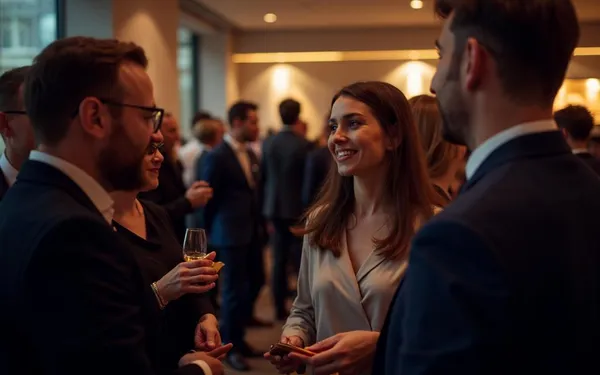
The intentional design and implementation of thoughtfully arranged, comfortable seating clusters, serene private coffee corners, and enchanting scenic gardens are pivotal in fostering an atmosphere conducive to spontaneous, natural, and genuinely enjoyable networking interactions among attendees. These meticulously designed social spaces, moving beyond mere functionality, possess the transformative potential to become the most cherished and widely discussed elements of an entire event, facilitating invaluable connections and elevating the overall attendee experience.
Networking is often cited as a primary reason for attending events, yet often it's left to chance. Dedicated, well-designed spaces actively encourage it. Consider different types of networking areas: energetic, open lounge spaces for larger group interactions, and quieter, more intimate alcoves for one-on-one deep conversations. Providing comfortable furniture, ample charging stations, and easy access to refreshments significantly enhances the utility and appeal of these areas. In a city like İstanbul, leveraging venues with stunning Bosphorus views or historical courtyards can transform a networking break into an unforgettable experience. Imagine a coffee break in a historic hamam's courtyard or a sunset cocktail reception overlooking the Golden Horn.
Common mistakes include simply leaving empty spaces, or filling them with uncomfortable, generic furniture. The environment directly influences behavior; a stiff, formal setting will yield stiff, formal interactions. Expert tip: Facilitate networking further with ice-breaker activities in these zones, or use event app features to suggest connections based on shared interests. Incorporate interactive elements like curated art installations or local artisan demonstrations. KPIs include reported networking success stories, dwell time in networking zones, and attendee feedback on the quality of networking opportunities. For a DMC, identifying and securing venues that offer these distinctive and atmospheric social spaces is a key value proposition, moving beyond standard hotel meeting rooms to offer truly inspiring environments.
Real-Time Feedback and Continuous Improvement
The proactive deployment of concise post-session or post-event surveys, the strategic placement of instant satisfaction buttons at key decision points, and diligent social media listening represent indispensable tools for comprehensive measurement and immediate understanding of the attendee experience. This continuous loop of feedback acquisition and analysis is not merely about data collection; it is about ensuring that insights gained are promptly and effectively translated into actionable improvements for forthcoming events, thereby establishing a robust cycle of continuous excellence and refinement.
Waiting until after the event for feedback means losing the opportunity to make real-time adjustments. Implementing "pulse checks" throughout the event – via event app polls, QR code surveys at session exits, or simple emoji-based feedback terminals – allows organizers to identify and rectify issues while the event is still underway, showing responsiveness and dedication to attendee satisfaction. Social media listening, beyond tracking mentions, can reveal sentiment, emerging trends, and areas of frustration or delight that might not be captured in formal surveys. From a DMC perspective, this also involves monitoring local service provider performance (e.g., transportation, catering) in real-time, allowing for immediate interventions if standards are not met.
Common pitfalls include lengthy, poorly designed surveys that suffer from low completion rates, or collecting feedback without a clear process for analysis and action. The data means nothing if it doesn't inform future decisions. Expert tip: Close the loop with attendees by sharing a summary of improvements made in response to their feedback for future events. This demonstrates that their voice matters. KPIs include survey completion rates, sentiment analysis scores, rate of issue resolution during the event, and a clear audit trail of how feedback influenced subsequent event planning. For events held in Türkiye, understanding cultural nuances in feedback – for instance, some attendees might be hesitant to give direct negative feedback – requires a varied approach to collection, perhaps leaning more on anonymous digital channels.
Sonuç
The modern event landscape demands a relentless focus on the attendee. By meticulously crafting every interaction, from the moment of registration to the post-event reflection, and by embracing personalization, facilitating genuine connection, and establishing robust feedback mechanisms, event organizers can transform a mere gathering into an exceptional, impactful, and unforgettable experience. This holistic approach not only ensures satisfaction but also cultivates loyalty, drives positive word-of-mouth, and ultimately guarantees the long-term success of any event in an increasingly competitive global market.