The Future of Hybrid Events: Merging Physical and Digital Experiences
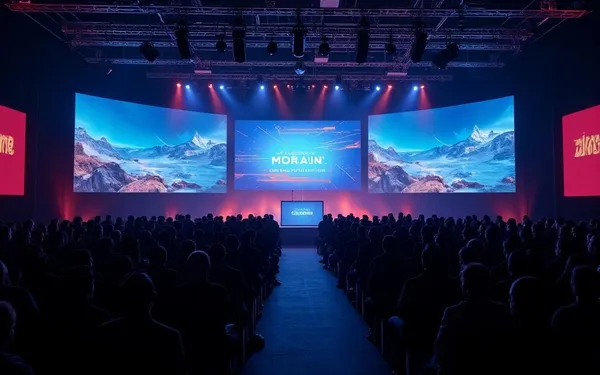
The world of events is in a state of perpetual evolution, driven by technological advancements and shifting participant expectations. Hybrid events, a dynamic blend of in-person and virtual experiences, represent not just a trend but a transformative paradigm in how we connect, learn, and engage. This converged format unlocks unprecedented potential, allowing organizations to maximize reach, enhance engagement, and extract richer insights than ever before. This article delves into the core components of successful hybrid event execution, offering a comprehensive guide informed by our extensive experience in the premium destination management sector, particularly with a focus on seamless integration of Türkiye’s unique offerings.
Hybrid events have established a new standard in the event industry by bringing together physical and digital experiences. This format makes it possible to reach wider audiences by transcending geographical boundaries.
The intrinsic value of hybrid events lies in their capacity to democratize access. By removing the traditional barriers of travel, time, and cost, hybrid models enable a truly global audience to participate, fostering diverse perspectives and richer discussions. For instance, an international conference hosted in Istanbul can now effortlessly include speakers and attendees from continents far and wide, dramatically increasing its global footprint and impact. This expanded reach translates directly into greater brand visibility, enhanced thought leadership, and ultimately, a stronger return on investment for the organizing entity. The flexibility offered by hybrid formats also allows for a wider array of content delivery, from on-demand viewing to live, interactive workshops, catering to varied learning styles and schedules. This adaptability is particularly crucial for organizations looking to maximize the longevity and evergreen value of their event content, ensuring it remains relevant and accessible long after the live sessions conclude.
Furthermore, the strategic implementation of hybrid models facilitates a more sustainable approach to event planning. Reducing the need for extensive travel for a significant portion of the audience lowers carbon footprints and contributes to corporate social responsibility goals. This not only resonates positively with increasingly environmentally conscious attendees but also positions the host organization as a forward-thinking and responsible entity. From a DMC perspective, this often involves advising clients on venues in Istanbul that are not only technologically adept but also boast strong sustainability credentials, emphasizing local sourcing for catering and minimizing waste. The ability to measure the environmental impact more accurately through segregated participant data also provides valuable metrics for reporting and future planning.
The integration of virtual components also mitigates risks associated with unforeseen circumstances, such as travel restrictions or public health concerns. Events can pivot more easily, ensuring continuity and the resilience of engagement plans. This inherent flexibility is a major draw for corporate clients and associations planning large-scale gatherings, particularly those with a significant international component. A perfectly executed contingency plan, often built into the initial hybrid strategy, provides an unparalleled level of security and peace of mind for event organizers. This means ensuring that speaker agreements have clauses for virtual participation, and that an alternative, fully virtual program can be launched within a rapid timeframe if needed, safeguarding investments and commitments. For premium events, this also translates into ensuring that "virtual VIPs" receive bespoke experiences, mirroring the exclusivity offered to in-person guests.
A successful hybrid event requires an experience design that offers equal value to both participant groups. Virtual participants should be active participants, not just viewers.
Achieving parity in experience design is perhaps the most challenging, yet critical, aspect of hybrid events. It necessitates a deep understanding of the unique motivations and needs of both the in-person and remote audiences. For the physical attendees enjoying the vibrant atmosphere of an Istanbul venue, the focus might be on networking opportunities, tactile brand experiences, and the energy of live interaction. For virtual attendees, the emphasis shifts to seamless access to content, intuitive platforms for interaction, and a sense of belonging despite geographical distance. This calls for a dual-track content strategy, where specific elements are tailored to each group, while others are seamlessly integrated across both, ensuring no participant feels like a second-class citizen. For example, a Q&A session should actively pull questions from both the physical microphone and the virtual chat, with moderators ensuring a balanced presentation.
Effective engagement strategies for virtual attendees often involve leveraging interactive technologies to their fullest potential. This includes dedicated virtual lobbies where attendees can network directly, moderated chat functions during sessions, live polling, and virtual breakout rooms for smaller, focused discussions. Gamification elements, such as leaderboards for active participation or quizzes related to session content, can significantly boost engagement and retention among remote attendees. From a premium DMC standpoint, we often recommend incorporating virtual photo booths with event-branded backgrounds, or virtual reality tours of the host city, such as a panoramic view of the Bosphorus, to add an experiential dimension for remote participants that mirrors the excitement of being in Istanbul. This level of curated interaction transcends mere viewership, transforming passive observers into active contributors.
The psychological aspect of inclusion is paramount. Virtual participants should not feel like an afterthought. High-quality content delivery, crisp audio, clear visuals, and presenters who regularly acknowledge and address the virtual audience directly are non-negotiable. This might involve dedicated virtual hosts or "emcees" whose sole role is to facilitate the online experience, monitoring chats, prompting questions, and ensuring that the virtual contingent feels heard and valued. Training for speakers is essential, ensuring they are comfortable engaging with both the physical room and a virtual camera. The success of this integration can be measured by engagement metrics such such as chat activity, poll participation rates, and virtual networking session attendance. A strong indicator of success is when a virtual participant’s question or comment elicits a genuine, insightful response from an in-person panelist, signaling a true bridge between the two environments.
Technical infrastructure forms the backbone of hybrid events. High-quality broadcast equipment, reliable internet connectivity, and user-friendly platforms ensure a seamless experience.
The robustness of the technical infrastructure cannot be overstated; it is the invisible force that underpins the entire hybrid event experience. Any failure in this domain can instantly undermine the event's credibility and impact, regardless of the quality of content or speakers. This requires significant investment in professional-grade AV equipment, including multiple high-definition cameras strategically placed to capture various angles of the stage and audience, professional microphones for crystal-clear audio, and broadcast-quality lighting. For events hosted in premium venues in Istanbul, this often means working with trusted local technical partners who possess a deep understanding of the venue's capabilities and have the expertise to implement complex hybrid setups, ensuring flawless execution from initial setup to live stream.
Reliable, high-speed internet connectivity is the lifeblood of the virtual component. This extends beyond basic Wi-Fi and often necessitates dedicated, hardwired internet lines with robust bandwidth for both upload and download, complete with backup connections to prevent any interruptions. A redundant internet strategy, including failover systems, is crucial for mitigating risks associated with primary network failures. Furthermore, the chosen virtual event platform must be intuitive, scalable, and capable of supporting the full range of interactive features planned. It should offer robust analytics, secure access protocols, and seamless integration with other tools like registration systems and CRM platforms. Pilot tests and rehearsals with various internet conditions and hardware setups are absolutely essential to identify and rectify potential glitches before the live event.
The human element of technical support is equally vital. A dedicated team of experienced AV technicians, IT professionals, and platform administrators must be on-site and remote, actively monitoring all streams, managing virtual rooms, and providing real-time support to both physical and virtual participants. Their proactive intervention can prevent minor issues from escalating into major disruptions. Clear communication channels between the on-site and virtual technical teams are paramount. For premium events in Türkiye, we often arrange for a dedicated technical project manager to oversee all aspects, ensuring all components – from streaming servers to interactive polls – function flawlessly. Consider key performance indicators like uptime duration, streaming quality (resolution and frame rate consistency), and the average response time for technical support queries. A smooth technical operation allows the content and experience to shine, leaving a lasting positive impression on all attendees.
Content strategy should be structured to suit both formats. Short and interactive sessions keep virtual participants' attention alive. Polls, Q&A sessions, and breakout rooms encourage active participation.
Developing a content strategy for hybrid events requires a nuanced understanding of attention spans and engagement patterns across different modalities. While an in-person audience might comfortably sit through a 60-minute keynote address, virtual participants, often facing distractions in their home or office environments, thrive on shorter, more dynamic content bursts. This often means breaking down longer presentations into more digestible segments, incorporating interactive elements every 10-15 minutes to re-engage virtual viewers. Think 'snackable' content – concise presentations, engaging panel discussions with diverse perspectives, and frequent opportunities for direct interaction. From a DMC perspective, this also involves curating varied session types, perhaps a high-energy workshop for in-person attendees alongside a pre-recorded, deep-dive interview with a thought leader available on-demand for virtual participants.
Interaction is the cornerstone of content designed for hybrid consumption. Simply streaming a lecture or a panel discussion online is not enough; it must be transformed into an engaging conversation. This entails strategically placing polls, surveys, and live Q&A segments throughout sessions, ensuring that virtual participants have multiple avenues to contribute and feel heard. Utilizing virtual breakout rooms for small-group discussions can replicate the networking and collaborative aspects of physical events, fostering a sense of community among remote attendees. Presenters should be trained to actively prompt questions from both the physical and virtual audience, using visual cues or dedicated screens to monitor virtual chat streams. Encouraging participants to use event-specific hashtags on social media can further extend the conversation beyond the platform itself, creating a broader sense of shared experience.
Beyond live interaction, a robust content strategy for hybrid events includes pre-event and post-event content. Pre-event content, such as introductory videos, speaker profiles, or curated reading lists, can build anticipation and provide foundational knowledge for all participants. Post-event, access to recorded sessions (preferably edited for optimal viewing), speaker slides, and additional resources provides ongoing value and reinforces learning. This evergreen content can also serve as a powerful marketing tool for future events. For premium events, consider exclusive virtual "meet & greet" sessions with keynote speakers, or curated virtual tours of relevant cultural sites in Istanbul for virtual attendees, extending the event experience beyond the formal program. This holistic approach ensures content serves as a continuous engagement tool, maximizing its impact and reach across the entire event lifecycle.
Data analytics is one of the greatest advantages of hybrid events. Behavioral data from both physical and digital participants provides rich insights for event optimization.
One of the most potent, yet often underutilized, benefits of hybrid events is the wealth of data they generate. Unlike purely physical events where attendee engagement can be challenging to quantify beyond registration and attendance, hybrid formats provide a digital footprint for virtually every interaction. This includes registration demographics, session attendance rates (both physical room scans and virtual logins), participation in polls and Q&A, time spent on the platform, virtual networking activity, content downloads, and even specific clickstream data within the virtual environment. This granular data offers an unparalleled opportunity to understand participant preferences, identify popular topics, and gauge the effectiveness of different content formats. For a DMC, this data is invaluable in refining subsequent event designs, enabling us to pinpoint what resonated most with attendees from varying geographic locations and professional backgrounds.
Beyond raw numbers, the true power of hybrid event data lies in its analytical potential. By comparing the engagement patterns of physical attendees versus virtual attendees, organizations can uncover critical insights into the differing needs and behaviors of these two groups. For instance, if virtual attendees show a preference for shorter sessions and more interactive polls, while physical attendees prefer longer networking breaks, this immediately informs future content scheduling and platform design. Tracking attendee journeys through the event, from which sessions they prioritize to which exhibitors they interact with, provides a holistic view of interest areas. Integrating this data with CRM systems can empower sales and marketing teams with rich lead qualification information, identifying potential clients or partners based on their explicit engagement and content consumption.
Effective data analysis for hybrid events necessitates robust reporting tools and potentially AI-driven analytics platforms. Key Performance Indicators (KPIs) should be clearly defined from the outset, focusing on metrics that align with event objectives – whether that's lead generation, brand awareness, or knowledge transfer. Examples include attendee satisfaction scores, content download rates, social media mentions, virtual booth visits, and the conversion rate from virtual attendees to engaged leads. Post-event analysis should also include qualitative feedback gathered through surveys or focus groups, providing context to the quantitative data. This continuous feedback loop, driven by comprehensive data analytics, allows for iterative improvements, ensuring each subsequent hybrid event is more refined, more engaging, and ultimately, more successful than the last. The insights derived from such data are not just retrospective; they are predictive, guiding strategic decisions for future event portfolios.
Sonuç
Hybrid events are no longer an experimental format but a foundational pillar of the modern event industry. Their ability to fuse the best of in-person engagement with the expansive reach of digital platforms offers an unparalleled value proposition for organizations worldwide. As we look to the future, the continuous evolution of technology will only further blur the lines between physical and virtual, leading to even more immersive and integrated experiences. For those seeking to leverage the full potential of this dynamic format, a meticulous focus on technical infrastructure, inclusive experience design, data-driven content strategy, and robust analytics will be paramount. With careful planning and execution, hybrid events will continue to redefine how we connect, enabling richer interactions and broader impacts that transcend traditional boundaries.