Event Marketing and Social Media Strategies
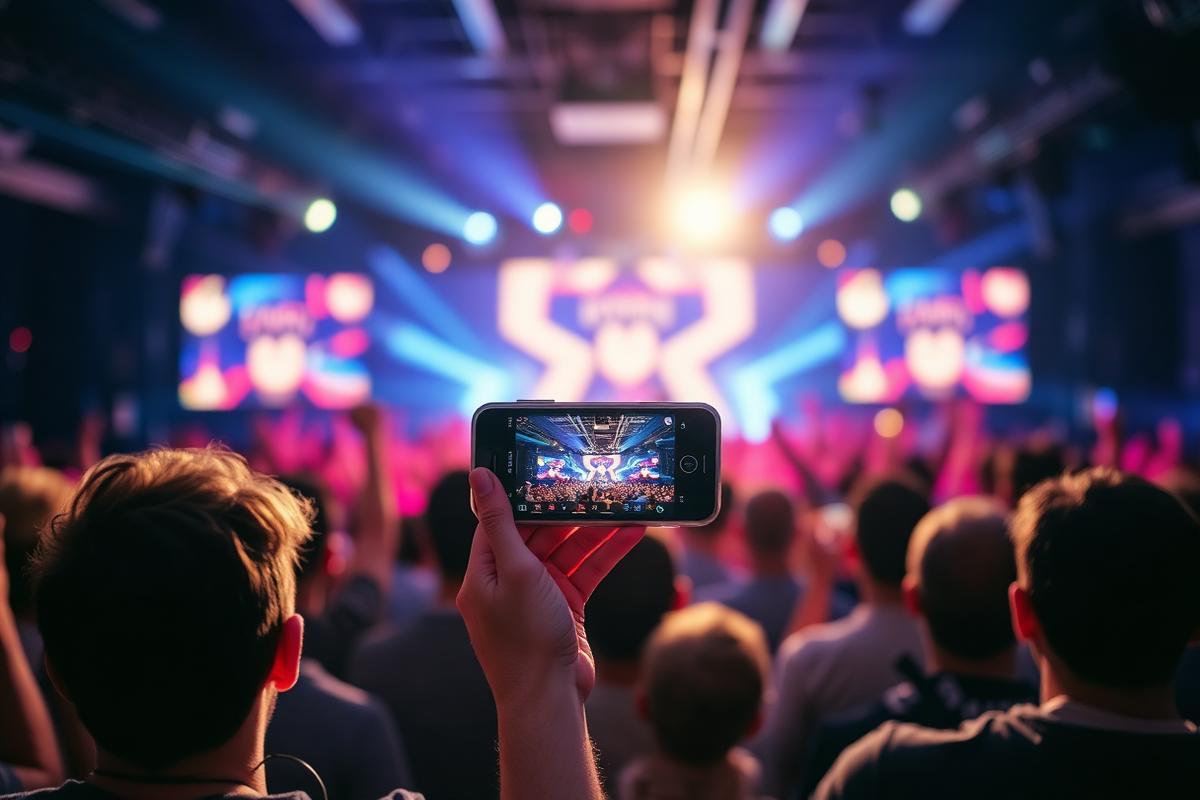
An event's success lies not only on the event day but also in the power of the digital story built before and after. Event marketing today is no longer just about sending invitations; it means taking attendees on a journey, sparking curiosity, and sustaining the relationship long after the event ends. In an increasingly digital-first world, a robust social media strategy is no longer a luxury but a fundamental pillar for maximizing reach, engagement, and ultimately, return on investment for any event, from a bespoke corporate retreat in Cappadocia to a grand international conference in Istanbul.
The initial phase of an event's digital lifecycle is crucial for setting the tone and generating anticipation. Teaser campaigns should be strategically designed to drip-feed information, creating a sense of intrigue rather than revealing everything at once. Consider employing creative formats such as animated GIFs hinting at the event theme, short, cryptic video snippets featuring partial interviews with key speakers, or even "mini-challenges" or polls related to the event's topic, encouraging immediate user interaction. For a premium DMC operating in Türkiye, showcasing a glimpse of a unique Bosphorus cruise venue or a historical Istanbul landmark related to the event's theme can be incredibly effective, lending a sense of place and exclusivity. The goal is to make your target audience feel like they are part of an unfolding narrative.
Key Performance Indicators (KPIs) for teaser campaigns include engagement rate (likes, shares, comments), reach, impressions, and click-through rate (CTR) to event registration pages or landing pages. A significant drop-off in CTR might indicate that the teasers are not compelling enough or that the call to action is unclear. Common mistakes to avoid include over-sharing too early, leading to information overload and diminishing curiosity, or conversely, being too vague, which can confuse potential attendees. An expert tip is to conduct A/B testing with different teaser formats and messaging on smaller audience segments to identify what resonates best before a full-scale launch.
From a Türkiye-centric perspective, cultural elements can be subtly woven into teasers. For instance, if the event has a theme of innovation and tradition, a teaser might blend modern digital graphics with traditional Turkish patterns or music. Leveraging the dramatic landscapes of Cappadocia for a leadership summit, or the vibrant energy of Istanbul for a tech conference, can be a powerful visual hook. High-quality production values are paramount here; blurry images or amateurish video can undermine the premium image a DMC like Magnus seeks to convey.
Dedicated Hashtag and Brand Glossary
A short, memorable, and easy-to-type hashtag unique to the event must be defined. A consistent brand glossary across all communication strengthens the event's identity.
Establishing a unique and memorable hashtag is fundamental for unifying social media conversations around your event. Beyond just being short and easy to type, the hashtag should ideally be unique enough to avoid confusion with other events or topics. Before finalizing, always check if the hashtag is already in use by conducting a thorough search across major platforms like Twitter, Instagram, and LinkedIn. A good hashtag encourages user-generated content (UGC) and makes it easy for attendees to find and contribute to the event's social media narrative. For example, for an event focusing on sustainable tourism in Türkiye, #GreenTürkiyeSummit2024 is more effective than a generic #TourismEvent.
Complementing the hashtag, a comprehensive brand glossary ensures linguistic consistency across all communications, both internal and external. This includes defining preferred terminology for the event's name, key themes, speakers' titles, venue names, and even the tone of voice for official messaging. This consistency is vital for building a strong, recognizable brand identity and preventing misinformation or conflicting messages. For a high-end corporate event, ensuring that all communications reflect a premium, sophisticated tone is non-negotiable. This meticulous attention to detail projects professionalism and builds trust with your audience.
The brand glossary should extend to visual guidelines as well, outlining approved color palettes, fonts, and logo usage. When working with diverse international teams or multiple marketing agencies, this document becomes an indispensable resource. From a DMC perspective, especially when coordinating events that may involve multiple local partners in Türkiye, having a clear glossary helps maintain a unified brand image, ensuring that local promotions align perfectly with global messaging. This also helps in creating a consistent user experience whether an attendee is interacting with a local Turkish partner's social media post or the main event page.
Influencer Collaborations and Industry Ambassadors
Collaborations with industry leaders, speakers, and past attendees aligned with the event theme increase organic reach. These individuals should produce content before, during, and after the event.
Influencer marketing for events goes beyond simply paying for endorsements; it's about authentic partnerships with individuals who genuinely resonate with your event's mission and audience. Identifying the right influencers requires careful research, focusing on their audience demographics, engagement rates, and content quality. These can range from macro-influencers with large followings to micro-influencers who, despite smaller audiences, often boast higher engagement and trust within niche communities. Speakers are naturally powerful ambassadors, and encouraging them to share their excitement and insights leading up to and during the event can significantly broaden reach.
The key to successful collaborations lies in providing clear guidelines while allowing influencers creative freedom to express themselves authentically. This could involve providing them with exclusive sneak peeks, early access to content, or special behind-the-scenes opportunities to share with their followers. Before the event, they can build anticipation by discussing their speaking topics, sharing personal anecdotes related to the event's theme, or engaging their audience with questions about what they hope to learn. During the event, live-streaming key moments, interviewing other attendees, or simply sharing their personal experience can create a dynamic, real-time buzz. Post-event, their reflections and takeaways can perpetuate the conversation and highlight the event's lasting value.
For events hosted in Türkiye, collaborating with prominent Turkish business leaders or cultural figures as ambassadors can add significant local appeal and credibility, especially for international attendees. Their insights into the local business landscape or cultural nuances can be invaluable. Measuring the success of these collaborations involves tracking engagement metrics on their posts (likes, comments, shares), follower growth attributable to their mentions, and direct traffic/registrations driven by their unique tracking links or promo codes. A common pitfall is choosing influencers solely based on follower count; genuine audience alignment and engagement are far more important than sheer numbers.
Multi-Channel Live Streaming Strategy
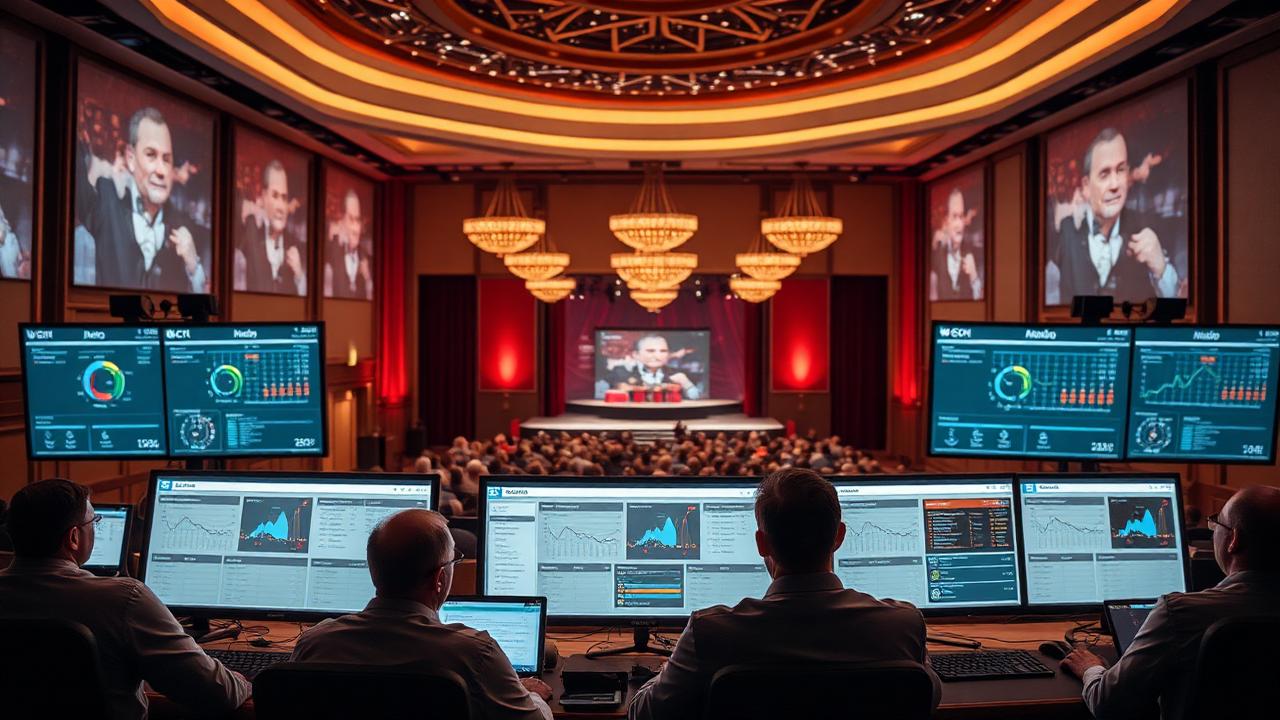
Streaming key sessions, opening speeches, and special panels multiplies the event's reach many times over. A digital audience that transcends physical boundaries is built through LinkedIn Live, YouTube, and Instagram.
A robust multi-channel live streaming strategy transforms a physical event into a global digital experience, dramatically expanding its reach beyond the confines of the venue. The choice of platforms should be strategic, aligning with your target audience's online behavior. LinkedIn Live is ideal for B2B events, reaching professionals and fostering industry-specific discussions. YouTube provides broad accessibility and excellent archiving for on-demand viewing, suitable for diverse audiences. Instagram Live, with its interactive features, is perfect for engaging younger demographics and offering a more casual, behind-the-scenes look. Other platforms like Facebook Live or even niche industry-specific streaming services might also be relevant, depending on the event's nature.
Effective live streaming requires careful planning: high-quality audio and video equipment, stable internet connectivity (especially critical for multi-location events or venues in historic Istanbul, where infrastructure can vary), a dedicated production team, and a pre-defined schedule for what will be streamed. Consider offering exclusive content to online audiences, such as Q&A sessions with speakers not available to physical attendees, or interactive polls that influence the flow of a panel discussion. This creates a sense of value for those participating remotely. During the stream, active moderation of comments and questions is essential to maintain engagement and address technical issues promptly.
Post-stream, the content's lifecycle continues. Recordings should be made readily available on-demand, often edited into shorter, digestible clips for wider distribution across social media channels. These clips can serve as future marketing material for subsequent events. KPIs for live streaming include peak concurrent viewers, total unique viewers, average watch time, engagement during the stream (comments, reactions), and post-stream views. For events in Türkiye, live-streaming the opening ceremony featuring cultural performances or an address from a prominent Turkish figure can add significant allure for a global audience, showcasing the destination as much as the event itself.
Post-Event Content and Engagement Continuity
After-movies, professional photo galleries, session summaries, recap newsletters, and thank-you videos keep engagement alive for a long time. This content also lays the groundwork for the next event's marketing.
The momentum generated by an event doesn't have to end when the last attendee walks out the door. The immediate post-event phase is critical for nurturing relationships, reinforcing key takeaways, and beginning to lay the groundwork for future events. An "after-movie" is a powerful tool, condensing the event's highlights, emotional moments, and key speakers into a dynamic, shareable video. Professional photo galleries, meticulously curated, serve as visual memories and provide attendees with content to share on their own social media, extending organic reach. For a grand event in a magnificent Istanbul venue, these visuals are critical for showcasing the experience.
Session summaries and detailed recap newsletters are invaluable for providing lasting educational value, especially for attendees who couldn’t attend every session or those who participated remotely. These should be concise yet informative, offering actionable insights and linking back to full recordings or supplementary materials. Personalized thank-you messages, perhaps including a short video from the event organizers or key speakers, add a human touch and foster a sense of gratitude and loyalty. This immediate follow-up reinforces the event's value and ensures participants feel appreciated.
This post-event content isn't just about reflection; it's a strategic investment in future marketing. Testimonials gathered through surveys or direct outreach can be repurposed into compelling marketing collateral. The most engaging social media posts from the event can be highlighted and reshared, reminding audiences of the vibrant atmosphere. Analyzing the engagement with this post-event content (shares, comments, downloads, clicks on links to future events) provides valuable data for refining future strategies. Many DMCs working in Türkiye will also use this opportunity to subtly promote Türkiye as a destination, showcasing the hospitality and unique experiences attendees enjoyed beyond the conference walls, encouraging future visits or event hosting.
Sonuç:
In today's interconnected world, an event's digital narrative is as crucial as its physical execution. By meticulously planning and executing a comprehensive social media strategy from the initial teaser campaigns to sustained post-event engagement, event organizers can transform a transient gathering into a lasting community and a memorable brand experience. Leveraging dedicated hashtags, strategic influencer collaborations, multi-channel live streaming, and rich post-event content ensures that the event not only meets but exceeds its objectives, fostering deeper connections and paving the way for future successes. For a premium DMC like Magnus, operating in a destination as rich and vibrant as Türkiye, these strategies are instrumental in showcasing the unparalleled potential of our locations and services on a global stage, ensuring every event leaves an indelible footprint, both online and off.