Excellence in Event Logistics & Transfer Management
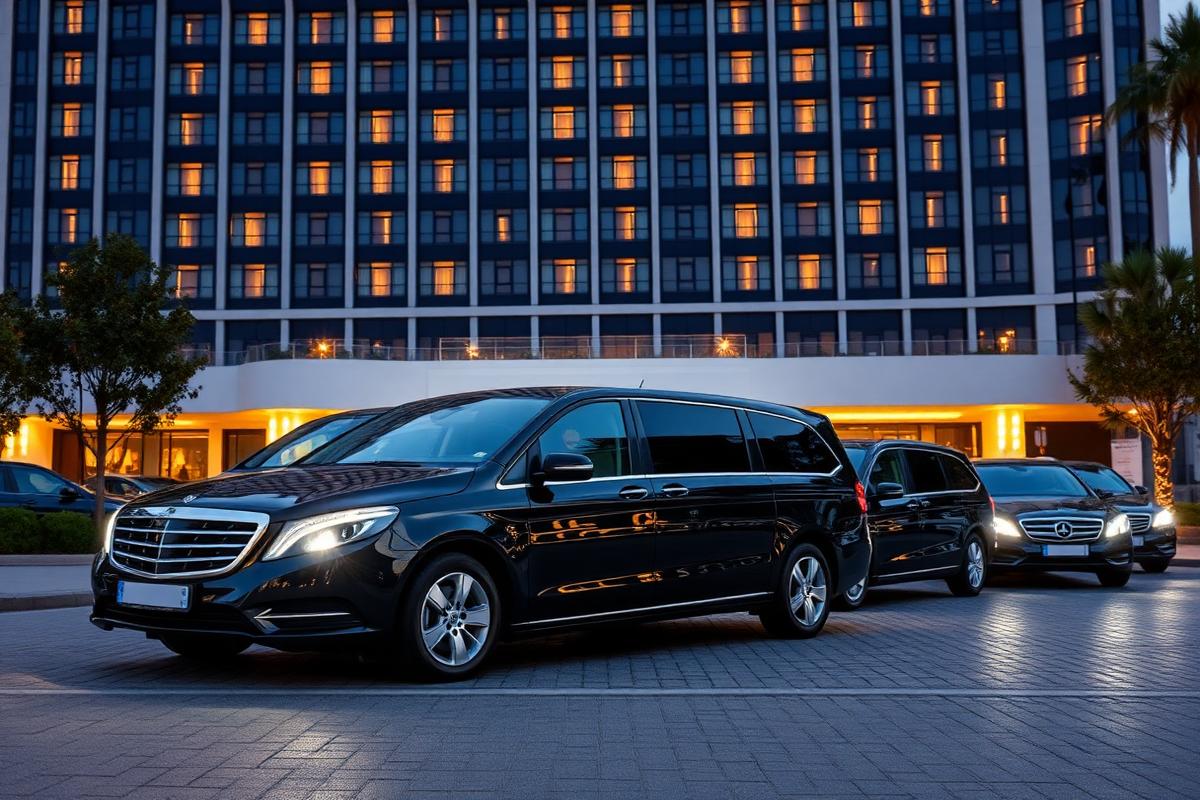
Logistics is the invisible hero of any event, a critical, often underestimated, component that underpins the entire attendee experience. Every moment, from the initial airport welcome to the hotel transfer, from the seamless journey to the event venue, and the timely return, meticulously shapes the overall perception of the occasion. A seemingly minor transport hiccup can regrettably overshadow the most meticulously planned event content, while impeccably executed transfers subtly yet profoundly underscore a brand's unwavering professionalism and attention to detail. At Magnus DMC, we understand that excellence in logistical orchestration is not merely a service; it is an art form, a dedication to precision that ensures every journey contributes positively to the overarching narrative of your event.
VIP Reception and Protocol Management
At the airport, a dedicated representative, fast-track passage, baggage support, and luxury vehicle pickup are especially important for international guests. A multilingual greeting team instantly gives guests confidence.
For international delegates, particularly those arriving from diverse cultural backgrounds or after lengthy journeys, the airport welcome serves as the critical first impression of both the event and the host country. A truly premium VIP reception transcends mere functional transfer; it is a meticulously choreographed experience designed to instill confidence, alleviate travel fatigue, and convey a profound sense of importance. This includes not only an English-speaking greeter but also personnel proficient in the attendees' native languages, if known beforehand, to bridge any linguistic or cultural gaps immediately. The use of branded signage that is tastefully integrated, rather than overtly commercial, further enhances this professional welcome.
Beyond language and immediate assistance, protocol management involves an intimate understanding of diplomatic courtesies and corporate hierarchies. For high-ranking executives or government officials, this might entail understanding specific flag protocols, presenting official wreaths, or even coordinating with embassy staff. The "fast-track" element is particularly vital in bustling international hubs like Istanbul Airport, where immigration and security queues can be lengthy. A designated greeter, often holding a custom-designed welcome board with the delegate's name or company logo, should meet guests directly at the air bridge or upon disembarkation, guiding them through a pre-arranged expedited passport control and customs process. This is a significant added value, transforming a potentially stressful arrival into a smooth, exclusive experience.
Baggage support extends beyond simply helping to carry bags; it involves proactively ensuring that all luggage is accounted for, loaded securely, and transferred seamlessly to the designated vehicle. For large groups or delegates with significant accompanying equipment, pre-arranging porter services is essential. The hand-off from airport staff to the dedicated luxury vehicle and professional driver must be fluid and efficient, with no waiting time. This includes having the vehicle positioned optimally for immediate boarding, maintaining a pristine interior, and ensuring amenities such as bottled water, Wi-Fi, and any personalized welcome materials are readily available. The seamlessness of this entire process establishes a positive tone for the duration of the event.
Common mistakes in VIP reception include generic welcome signs, non-English speaking greeters for international guests, long waits at customs without assistance, or a lack of direct guidance from the moment of arrival, leaving VIPs to navigate unfamiliar airports alone. From a Turkish DMC perspective, our cultural value of hospitality (misafirperverlik) dictates that every guest, particularly international dignitaries or key stakeholders, feels genuinely welcomed and cared for from the very first moment they step onto Turkish soil. We pride ourselves on anticipating needs and exceeding expectations in this crucial initial interaction.
Smart Fleet Planning
Sedans, vans, coaches, and even helicopters must be proportionally planned according to attendee numbers, program intensity, and the VIP-standard distinction. Each vehicle's plate, driver, and route should be predetermined.
Smart fleet planning goes beyond merely matching vehicle size to group numbers; it is a strategic exercise in optimizing efficiency, comfort, and thematic alignment with the event's objectives. A detailed attendee demographic analysis is paramount: Are attendees primarily executives requiring individual luxury sedans for discreet, focused travel? Or are they a large group necessitating comfortable coaches for city tours and venue transfers? The "program intensity" refers to the frequency of transfers, the distances involved, and the precision of the timeline. For back-to-back sessions or multi-venue events, minimizing travel time and maximizing comfort become critical. This might involve deploying smaller, more agile vehicles for city-center transfers while larger coaches are reserved for longer, dedicated routes.
The "VIP-standard distinction" demands an understanding of tiered transfer services. While some attendees may be perfectly comfortable with premium vans, C-suite executives or keynote speakers might require top-tier luxury sedans (e.g., Mercedes S-Class, BMW 7-Series) ensuring privacy, prestige, and advanced amenities. For truly exceptional requirements, or to offer a unique perspective, helicopter transfers might be considered for scenic routes or to bypass significant ground traffic, particularly in an urban landscape like Istanbul, offering unparalleled views of the Bosphorus or historical landmarks. This not only provides an unforgettable experience but also significantly reduces travel time for critical personnel.
Operationalizing smart fleet planning involves meticulous advance preparation. Each vehicle's registration plate, the assigned driver's contact details, and the precise, optimized route must be predetermined and communicated not only to the logistics team but also to the guests if appropriate. This level of detail allows for granular control and rapid problem-solving. For instance, if a specific route is known to be prone to congestion at certain times, an alternative route can be pre-programmed into the GPS and briefed to the driver. Contingency vehicles, often of a slightly higher standard, should be on standby at key locations or centrally positioned to quickly step in if a primary vehicle encounters unforeseen issues.
A key performance indicator (KPI) here is the "on-time performance" (OTP) of all transfers, targeting 99% or higher. Common mistakes include underestimating group size fluctuations, neglecting the impact of traffic patterns unique to the destination (e.g., Istanbul's notorious rush hours), or failing to conduct pre-event dry runs of complex routes, especially to new venues. From a DMC perspective, our local knowledge of Istanbul's dynamic traffic conditions, road closures, and alternative routes is indispensable, allowing us to plan with foresight and adapt with agility. We also leverage our robust network of trusted transport partners, ensuring vehicle quality, driver professionalism, and consistent service levels across the entire fleet.
GPS-Based Real-Time Tracking
Thanks to modern fleet management systems, all vehicles can be monitored live. Traffic delays are detected early, backup vehicles are mobilized, and attendees receive automatic notifications.
GPS-based real-time tracking is an indispensable technological backbone for premium event logistics, transforming reactive problem-solving into proactive incident management. Modern fleet management systems do more than just show a vehicle's dot on a map; they provide a comprehensive dashboard displaying vehicle speed, estimated time of arrival (ETA), driver behavior insights, and potential deviations from the planned route. This granular level of oversight allows the logistics control center to maintain a pulse on the entire transfer operation simultaneously, ensuring adherence to strict timelines and enhancing safety protocols for all passengers.
The immediate detection of traffic delays is perhaps the most significant advantage. In cities like Istanbul, where traffic conditions can change rapidly due to accidents, construction, or even large public gatherings, real-time data is critical. When a primary vehicle encounters unexpected congestion, the system not only alerts the central logistics team but can also automatically suggest alternative, faster routes to the driver. This functionality is crucial for maintaining an event schedule that has tightly spaced sessions or when delegates need to make connecting flights. The ability to pivot quickly to an optimized route minimizes stress for delegates and prevents schedule blowouts.
Mobilizing backup vehicles becomes a seamless process with real-time tracking. If a vehicle breaks down, gets lost, or is significantly delayed beyond recovery, the logistics team can immediately identify the closest available backup vehicle of the appropriate type and dispatch it. This reduces standby time for affected delegates and maintains the integrity of the transportation plan. Furthermore, integration with a communication platform allows for synchronized automatic notifications to attendees. For example, a delegate waiting for a transfer might receive an SMS updated with the new ETA, driver details, and vehicle license plate, complete with a link to track their ride in real-time. This transparency significantly elevates the attendee experience by providing clarity and reducing anxiety, particularly for those on a tight schedule.
Crucially, real-time tracking also offers invaluable data for post-event analysis and continuous improvement. Reports can be generated on average travel times, route efficiencies, and driver performance, allowing DMCs to refine future logistics plans and identify areas for optimization. Security is another often-overlooked benefit; in cases of emergency, knowing the precise location of every vehicle allows for rapid response and coordination with emergency services. Common tracking mistakes include relying on outdated or unreliable GPS hardware, failing to integrate tracking data with broader communication tools, or not having personnel adequately trained to interpret and act on the real-time information immediately. As a DMC operating in Türkiye, we emphasize the importance of robust, continuously updated mapping for Istanbul's dynamic infrastructure.
Professional Driver Training and Protocol
Drivers do not only operate vehicles; they are the brand's first representatives. Drivers who are multilingual, protocol-aware, well-dressed, and have strong communication skills should be preferred.
The driver is not merely a chauffeur; they are a vital extension of the event's brand identity, often being the first and last point of contact for attendees. Their professionalism directly reflects on the event host and the DMC. Therefore, comprehensive professional driver training and adherence to strict protocol are paramount. This training extends far beyond driving competency; it encompasses a wide range of soft skills and knowledge specific to premium event services. For instance, drivers must be trained in defensive driving techniques, adherence to all local traffic laws, and maintaining peak vehicle performance through regular checks. They should also be familiar with the entire event schedule, key venue locations, and potential alternative routes, possessing a comprehensive local knowledge that GPS alone cannot provide.
Multilingual capabilities are a significant asset, especially in a diverse international city like Istanbul. A driver who can communicate effectively, even in basic phrases, in the guest's native language immediately enhances comfort and trust. Beyond language, a profound understanding of protocol is essential. This includes knowing how to address VIPs, understanding silent service cues, maintaining discretion, and respecting guest privacy. For example, drivers should be instructed on proper door etiquette (opening and closing doors for guests, particularly VIPs), baggage handling procedures, and appropriate conversation topics, avoiding divisive or overly personal subjects. They are trained to provide helpful information about the city or local customs if prompted, acting as knowledgeable, discreet guides.
Appearance and demeanor are non-negotiable. Drivers should consistently be impeccably dressed in a pre-approved uniform or smart business attire, ensuring a polished and professional image. Personal hygiene standards must be high. Their demeanor should be courteous, calm, and attentive, serving as a reassuring presence for travelers who may be tired or stressed. Communication skills are critical: this includes not only verbal communication but also non-verbal cues. Drivers must be able to listen actively, understand specific instructions, and convey information clearly and politely. They should be proficient in using communication devices to stay in contact with the logistics control center, providing updates and receiving new instructions efficiently.
Regular evaluations and refresher training sessions are crucial to maintain these high standards. Feedback mechanisms, both from the logistics team and directly from guests (via post-event surveys), should be in place to continuously assess and improve driver performance. Common mistakes include hiring drivers solely based on driving ability without considering their customer service skills, failing to provide specific event briefings (e.g., knowing who is in each vehicle), or neglecting to conduct background checks. From a DMC perspective, our network of trusted, rigorously vetted drivers is a cornerstone of our service. We prioritize drivers who not only excel behind the wheel but who also embody the hospitality and professional standards that Magnus DMC represents, truly making them invaluable brand ambassadors for our clients and for Istanbul.
Backup Scenarios and Flexibility
One must be prepared for traffic, weather conditions, venue changes, and delays. Backup vehicles, alternative routes, and a 24/7 support line increase the security of the logistics operation.
The hallmark of truly excellent logistics is not merely running a smooth operation, but the inherent robustness and flexibility to seamlessly handle unforeseen disruptions. The planning of backup scenarios is not an afterthought; it's an intrinsic part of the initial strategy, acknowledging Murphy's Law in dynamic event environments. Traffic is an ever-present variable, particularly in major urban centers. Anticipating potential gridlock, accidents, or scheduled roadworks (e.g., during historical events or public holidays in Istanbul) means pre-mapping multiple alternative routes for every transfer, beyond what simple GPS might suggest. These routes should be vetted for feasibility, travel time, and comfort. Drivers should be briefed on these alternatives and empowered to use them when real-time tracking signals significant delays on primary paths.
Weather conditions, especially in a city like Istanbul with its diverse climate, can rapidly impact transportation. Heavy rain, snow, or even unexpected heatwaves can affect road conditions, visibility, and vehicle performance. A comprehensive backup plan considers the implications of such events: for instance, ensuring all vehicles are suitable for adverse conditions (e.g., having winter tires if operating in potential snow), having contact numbers for local emergency services, and even contingency plans for brief delays during severe weather, such as providing additional shelter at pick-up points or distributing umbrellas. For events involving outdoor elements, weather contingency might extend to alternate indoor venues or providing heated/cooled waiting areas.
Venue changes or event schedule shifts, while ideally avoided, can occur even with the best planning. A flexible logistics operation means having the agility to re-route an entire fleet at short notice, communicate these changes effectively to all stakeholders (drivers, guests, venue staff), and update digital manifests instantaneously. This requires a strong communication infrastructure, often a centralized control hub capable of mass communication via various channels (SMS, email, dedicated event app). Clear protocols for decision-making regarding these changes, empowering on-site logistics managers, significantly improve responsiveness.
The provision of backup vehicles is non-negotiable. This means having a percentage of the total fleet (e.g., 5-10%) on standby, fully fueled, cleaned, and with drivers ready to deploy within minutes. These vehicles should be strategically positioned near key event venues or a central logistics hub to minimize deployment time. Furthermore, a dedicated 24/7 support line staffed by experienced, decision-making personnel is crucial. This is not just a call center; it's a direct line to the logistics team leader who can authorize immediate actions, coordinate with external services, and provide real-time updates and reassurance. This round-the-clock availability instills confidence in attendees and event organizers alike, knowing that expert assistance is always just a phone call away, regardless of time zones or unexpected issues that may arise during multi-day events. This proactive, prepared approach embodies the peace of mind offered by a premium DMC.
Sonuç / Conclusion
In the intricate tapestry of event management, flawlessly executed logistics and transfer management stand as silent yet profound declarations of professionalism, attention to detail, and a deep respect for every attendee's time and comfort. From the personalized greeting at the airport to the strategic deployment of a sophisticated fleet, from the instantaneous insights provided by real-time tracking to the unwavering professionalism of a protocol-aware driver, every element contributes to an overarching narrative of excellence. The foresight to plan for every conceivable backup scenario and the agility to adapt to the unexpected are not luxuries but necessities, reinforcing the trust placed in event organizers. At Magnus DMC, we don't just move people; we craft seamless journeys that elevate the entire event experience, leaving an indelible impression of meticulous care and unparalleled service from start to finish.