Guide to Designing Effective Networking Events
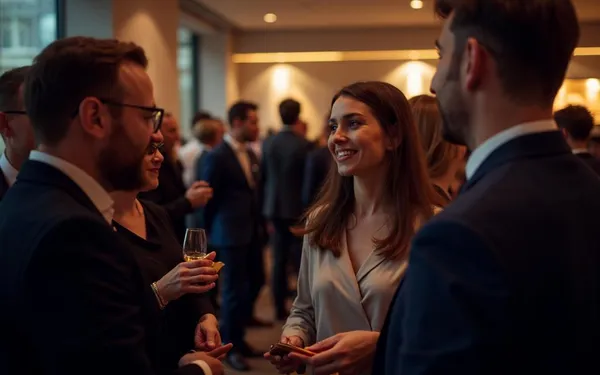
In today's interconnected professional landscape, the ability to forge meaningful connections stands as a cornerstone of career advancement and organizational success. While the concept of "networking" might evoke images of polite small talk, an effectively designed networking event transcends mere superficial exchanges, cultivating relationships that yield tangible value and lasting impact. This guide delves into the strategic considerations for crafting such impactful experiences, ensuring that every interaction contributes to a participant's professional journey.
Networking is one of the most valuable components of professional events. However, an effective networking experience should not be left to chance; it requires conscious design. Understanding the nuances of human interaction and applying thoughtful design principles can transform a typical gathering into a dynamic hub of opportunity. The goal is to move beyond passive observation to active engagement, facilitating interactions that are both productive and enjoyable. This intentional approach ensures that participants feel empowered to connect, explore, and establish relationships that extend far beyond the event's duration. The strategic planning involved in such events requires a deep understanding of attendee demographics, their professional aspirations, and the overall objectives of the event itself.
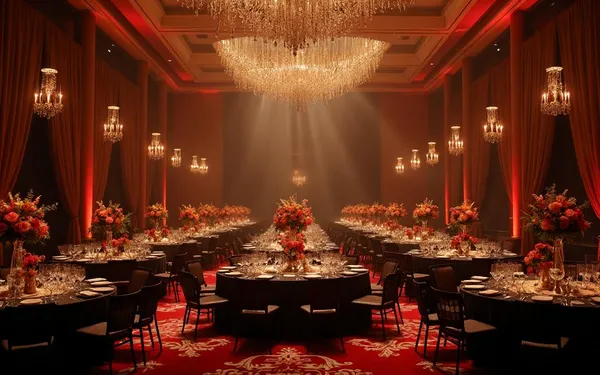
Venue layout should be designed to encourage natural interaction. Seating areas, standing conversation corners, and shared activity areas cater to different networking styles. The physical environment plays a critical role in shaping the psychological comfort and willingness of attendees to engage. A well-designed venue layout strategically minimizes barriers to interaction and maximizes opportunities for spontaneous conversations. Consider the flow of foot traffic, the acoustics of different zones, and the availability of amenities that encourage lingering. For instance, in an Istanbul venue, strategically placed traditional Turkish tea/coffee stations can become natural magnets for informal discussions, fostering a relaxed atmosphere conducive to connection. The key performance indicator (KPI) here might be the average duration of small group conversations observed in distinct areas, or even mapping attendee movement patterns to identify high-interaction zones. A common mistake is to over-furnish or under-furnish, leading to either cramped, unapproachable spaces or vast, isolating expanses. Expert tip
utilize flexible furniture that can be easily reconfigured throughout the event to adapt to evolving networking dynamics.
Beyond static furniture arrangements, incorporating interactive elements into the layout can significantly boost engagement. Imagine a "concept wall" where attendees can post their professional needs or offerings, sparking dialogue among those with complementary interests. In a Turkish context, perhaps a calligrapher demonstrating their art, drawing a small crowd and providing a shared focal point for conversation. Small, high-top tables strategically placed near refreshment stations or exhibition booths naturally invite standing conversations and quick exchanges, appealing to those who prefer brief, focused interactions. Conversely, comfortable lounge areas with soft seating encourage deeper, more prolonged discussions, catering to attendees seeking more substantive dialogues. The variety ensures that every participant finds a comfortable and effective mode of interaction. From a DMC perspective, anticipating peak traffic times and strategically placing staff or "greeters" in key areas during these times can help mitigate potential bottlenecks and guide attendees to appropriate networking zones, ensuring a seamless experience.
Furthermore, integrating culturally relevant design elements can enhance the networking experience, especially for international attendees. In Türkiye, incorporating elements of traditional aesthetics, such as Ottoman-inspired seating arrangements or subtle motifs, can create a unique and memorable ambiance that serves as an icebreaker. The judicious use of lighting also plays a crucial role; softer, warmer lighting in lounge areas can foster intimacy, while brighter, more functional lighting around information kiosks or interactive displays can facilitate focused engagement. Measuring the success of the layout can be done through post-event surveys asking about comfort and perceived ease of meeting new people, or even through observational studies of interaction clusters. A common mistake is a one-size-fits-all approach, neglecting the diverse preferences and comfort levels of attendees. Expert tip: conduct a pre-event "walk-through" with key stakeholders to visualize attendee movement and identify any potential "dead zones" or barriers to interaction.
Structured networking formats enable participants to make more productive connections. Speed networking, roundtable discussions, and mentoring sessions go beyond the traditional cocktail format. While spontaneous interactions are valuable, structured formats provide a framework that guides participants towards more meaningful exchanges, ensuring that time invested yields tangible returns. Speed networking, for example, is highly efficient, allowing participants to meet a significant number of individuals in a short period, practicing their elevator pitches and identifying immediate points of commonality. Roundtable discussions, conversely, delve deeper into specific topics, fostering collaborative problem-solving and the exchange of expertise among smaller groups. Real-world consideration for a DMC in Istanbul
when organizing roundtable discussions, consider leveraging local industry experts or thought leaders to moderate, adding significant value and drawing attendance. KPIs for these formats could include the number of unique connections made per participant in speed networking, or the generation of actionable insights from roundtable discussions. A common mistake is insufficient pre-event briefing for participants on the objectives and etiquette of these structured sessions. Expert tip: provide clear prompts or discussion starters for each structured session to maximize productivity.
Mentoring sessions offer an even more profound level of engagement, pairing experienced professionals with emerging talent for guidance and knowledge transfer. This format moves beyond transactional networking to forge developmental relationships. These sessions can be pre-arranged based on profiles submitted by participants, or offered as open sign-up slots. Another effective structured format is the "topic table" where specific subjects of interest are designated at different tables, encouraging self-selection and ensuring that conversations are immediately relevant to attendees. For example, at a technology conference, tables might be labeled "AI in Healthcare" or "Sustainable Urban Development," attracting individuals with shared professional interests to discuss relevant challenges and opportunities. From a Türkiye perspective, these could be themed around specific sectors where Türkiye is strong, such as "Textile Innovation" or "Logistics Hub Development," leveraging local industry expertise.
Moreover, gamified networking activities can inject an element of fun and competition, lowering inhibitions and encouraging interaction. scavenger hunts that require participants to find specific individuals based on clues relating to their professional skills or interests can be highly effective. Interactive workshops, where small groups collaborate on a mini-project or case study, also foster natural teamwork and connection. The success of these structured formats often hinges on careful pre-planning and proactive moderation during the event. It’s crucial to ensure that facilitators are adept at guiding conversations, managing time, and encouraging equitable participation. A common mistake is to make these sessions too rigid, stifling organic conversation. Expert tip: incorporate short, ice-breaker activities at the beginning of each structured session to set a relaxed and engaging tone. Post-event surveys should include questions on the perceived value of these structured interactions and their effectiveness in fostering new connections.
Technology-assisted matching offers connection suggestions based on participants' interests and professional goals. AI algorithms identify the most meaningful matches. Leveraging technology moves networking far beyond serendipity, enhancing the likelihood of high-value connections. AI-powered matching platforms can analyze vast amounts of data from participant profiles – including job titles, company sectors, specified interests, and even challenges they are currently facing – to suggest highly relevant connections. This proactive approach saves attendees valuable time and ensures they are directed towards individuals with whom they have a genuine basis for interaction, moving past the superficial to the substantive. In the context of a large international event hosted in Istanbul, such technology can be particularly invaluable for global attendees, identifying common ground despite geographical and cultural distances. KPIs for this could include the number of unique connections made through the platform before the event, or the conversion rate of suggested matches into actual meetings. A common mistake is to collect too much data from participants, leading to "profile fatigue" and incomplete information, or too little, resulting in generic matches. Expert tip
clearly communicate the benefits of robust profile completion to participants before the event.
Beyond initial matching, technology can facilitate the execution of these connections. Integrated meeting scheduling tools allow matched participants to instantly propose and confirm brief meetings during the event, optimizing their time. Virtual "meeting rooms" or dedicated chat channels within the event app can further support these initial interactions, particularly useful for hybrid events. Consider a scenario where a participant from a Turkish renewable energy firm is matched with an investor from a European venture capital fund; the platform can facilitate a direct, scheduled meeting, bypassing the need for chance encounters. This level of personalized connection significantly elevates the value proposition of the event. Real-world consideration: ensuring the chosen technology platform is user-friendly and intuitive, especially for diverse demographics who may have varying levels of tech proficiency. Providing clear tutorials or on-site tech support can be crucial.
The integration of such platforms with other event technologies, like attendee tracking and feedback mechanisms, further refines the matching process over time. Data from post-event surveys regarding connection quality can be fed back into the algorithm, continuously improving its accuracy for future events. This iterative refinement positions technology as an evolving partner in fostering professional relationships. Furthermore, personalized notifications and reminders based on the matching suggestions can gently nudge attendees to engage, rather than leaving them to navigate the platform independently. A common mistake is to implement a matching system without adequate promotion or explanation, leading to low adoption rates. Expert tip: prior to the event, provide attendees with compelling examples of successful matches from previous events or hypothetical scenarios to illustrate the platform's value. From a DMC perspective, ensuring data privacy and compliance with regulations like GDPR and local Turkish data protection laws is paramount when implementing such sophisticated technological solutions.
Follow-up mechanisms ensure that connections made during the event continue afterward. Digital business cards, LinkedIn integrations, and automated follow-up emails facilitate this process. The true value of networking often lies in the post-event continuation of discussions and the cultivation of long-term relationships. Without robust follow-up mechanisms, many promising connections can dissipate. Digital business cards, embedded within an event app or easily shareable via QR codes, eliminate the limitations of traditional paper cards, allowing for instant information exchange and often direct integration into contact management systems. LinkedIn integrations further streamline this by allowing attendees to connect with new contacts directly from the event platform, leveraging one of the most powerful professional networking sites. For events in Türkiye aimed at international participants, simplifying the exchange of contact details, potentially even with translation support within the app for key profile information, can be particularly helpful. The KPI here would be the percentage of new connections that transition into a LinkedIn connection or an email exchange within a specified timeframe. A common mistake is to assume participants will independently manage all follow-up, leading to significant attrition. Expert tip
provide attendees with pre-drafted, customizable follow-up email templates directly within the event app.
Automated follow-up emails, tailored to specific interactions or matched connections, serve as gentle reminders and prompts for further engagement. These can include a summary of the shared interests, a link to relevant event content or speaker materials, and a clear call to action for scheduling a call or meeting. Imagine an email arriving the morning after an event in Istanbul, reminding two matched professionals of their shared interest in sustainable tourism, and prompting them to connect on LinkedIn, along with a link to a recent report on the topic presented during a session. This personalized touch significantly increases the likelihood of continued engagement. A real-world consideration is to ensure that these automated emails are genuinely value-added and not perceived as generic spam; personalization is key.
Beyond automated systems, event organizers can actively facilitate follow-up through curated post-event content and community platforms. A dedicated online community or forum, accessible to event attendees, can serve as a space for ongoing discussions, sharing resources, and even organizing smaller, follow-up meet-ups. Providing access to recordings of key sessions, speaker presentations, and a directory of participants (opt-in only for privacy) significantly extends the event's lifecycle and amplifies its networking potential. For a DMC, maintaining a long-term relationship with attendees through follow-up newsletters highlighting industry developments or future events in Türkiye can sustain engagement. A common mistake is to view the event end as the end of the networking opportunity. Expert tip: host a virtual "recap and reconnect" session a few weeks after the main event, providing a low-pressure environment for attendees to revisit connections and reinforce relationships made. Encourage speakers and key sponsors to actively participate in these follow-up activities, further validating the connections established.
Sonuç Designing truly effective networking events requires a holistic and strategic approach, moving beyond haphazard mingling to intentional connection facilitation. By meticulously crafting the physical environment, implementing diverse structured interaction formats, leveraging cutting-edge technology for intelligent matching, and establishing robust post-event follow-up mechanisms, organizers can transform a transient gathering into a potent catalyst for enduring professional relationships. This detailed consideration for every touchpoint ensures that attendees not only meet but genuinely connect, fostering a vibrant ecosystem of collaboration and mutual growth that extends far beyond the confines of the event itself.