Details That Make a Difference in Destination Management

Destination management is a critical area that directly affects the success of an event. The meticulous orchestration of logistics, cultural immersion, and sustainability practices forms the bedrock of a truly impactful event, leaving an indelible mark on participants and stakeholders alike.
Destination Selection and Experience Design
The right destination selection and designing local experiences in harmony with the event leave lasting impressions on participants. This foundational stage dictates the entire narrative of the event, influencing everything from attendee engagement to the overall message conveyed. A DMC's expertise in this area is paramount, moving beyond mere logistical considerations to curate an environment that resonates deeply with the event's objectives and target audience.
Careful consideration of the destination's intrinsic characteristics is crucial. For instance, a technology conference might benefit from a city known for innovation and modern infrastructure, while a high-end incentive trip might seek a locale celebrated for its luxury offerings, stunning natural beauty, or rich historical tapestry. The interplay between the chosen destination and the event's theme creates a cohesive and memorable experience. An event focused on sustainability, for example, would be significantly enhanced by being hosted in a city actively pursuing green initiatives, allowing for immersive experiences that showcase local ecological efforts. KPIs for this stage include attendee satisfaction scores directly related to the destination's suitability, media coverage highlighting the unique destination-event synergy, and participant feedback on the overall immersive experience. Common mistakes often include choosing a destination based solely on cost without considering its relevance to the event's objectives, or failing to adequately research local permit requirements and cultural sensitivities, which can lead to unforeseen complications and a less authentic experience.
Designing local experiences goes beyond simply booking venues and activities. It involves crafting a narrative that weaves the destination's unique identity into every touchpoint of the event. For a corporate retreat in Istanbul, this might involve private Bosphorus cruises with historically informed commentary, exclusive access to Ottoman-era palaces for gala dinners, or team-building activities set against the bustling backdrop of the Grand Bazaar, tailored to foster cultural understanding and connection. The goal is to transform passive observation into active participation, allowing attendees to genuinely engage with the local culture. This deep integration is what distinguishes an ordinary event from an extraordinary one, fostering genuine connections and lasting memories. Expert tips include conducting thorough pre-event site inspections to assess the fit of various venues and activities, and developing clear communication channels with local partners to ensure authentic and respectful integration of cultural elements.
Local Knowledge and Operational Excellence
Local knowledge and experience are a DMC's greatest strength. Deep knowledge of venue capacities, transportation alternatives, and the local supplier network makes operational processes seamless. This intricate understanding of the local ecosystem is what sets a premium DMC apart, transforming complex logistical challenges into flawlessly executed event components. Without this expertise, even the most meticulously planned event can falter due to unforeseen local nuances.
A DMC's local intelligence extends beyond mere familiarity with popular spots. It encompasses an intimate understanding of lesser-known, yet equally impressive, venues that might offer more bespoke experiences or better suit specific event requirements. This includes knowledge of historical constraints on certain venues, noise regulations, and even intricate details like Wi-Fi reliability in various locations—factors that are often overlooked by external planners. In a city like Istanbul, for example, a DMC would have insights into the best times to navigate traffic for transfers between venues, or access to exclusive heritage sites that aren't readily available to the general public, providing unparalleled opportunities for event experiences. The ability to anticipate and mitigate potential roadblocks through this deep local knowledge is invaluable, ensuring smooth execution from arrival to departure.
The local supplier network is another critical pillar. A robust network of trusted, vetted suppliers—from expert AV teams and renowned caterers to reliable security personnel and specialty entertainment groups—ensures that every aspect of the event meets the highest standards. This network is built on years of relationship-building and direct experience, offering DMCs leverage in terms of negotiation, quality assurance, and responsiveness. For instance, knowing which local transport companies have brand-new fleets, impeccably trained drivers, and stringent safety protocols is crucial for high-profile attendees. Expert DMCs also possess the agility to adapt quickly to unexpected situations, leveraging their supplier relationships to find swift and effective solutions. KPIs for operational excellence include on-time performance for all scheduled activities, positive feedback on logistical efficiency, and a low incidence of operational glitches. Common mistakes include relying on unvetted suppliers, underestimating local transportation times, or failing to account for local customs and regulations, which can all lead to significant operational disruptions.
Cultural Integration and Unique Experiences
Integrating cultural elements into events offers participants unique experiences. Local gastronomy, traditional arts, and historical venues transform a standard event into an unforgettable experience. This intentional weaving of the local fabric into the event program elevates the experience from mere attendance to genuine cultural immersion, fostering a deeper connection for participants.
Embracing local gastronomy is perhaps one of the most accessible and enjoyable ways to integrate culture. Beyond offering traditional dishes, a premium DMC can curate unique culinary journeys, such as interactive cooking classes focused on regional specialties, private dining experiences at renowned local restaurants, or even themed food stalls showcasing street food delicacies unique to the destination. In Istanbul, this might mean a baklava-making workshop followed by a private sufi music performance, or a gourmet tour of spice markets culminating in a tasting menu at a Michelin-starred restaurant fusing traditional and contemporary Turkish cuisine. These culinary experiences are not just about food; they are about storytelling, heritage, and community, providing a multisensory exploration of the destination.
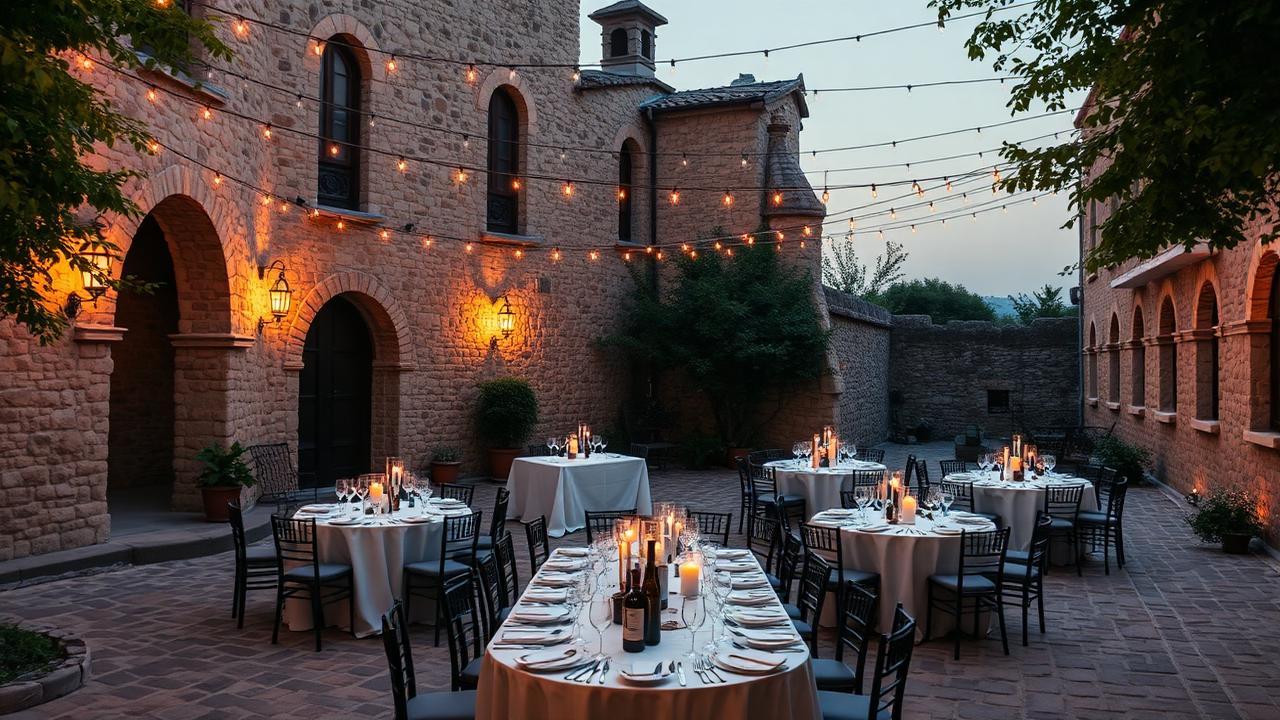
Incorporating traditional arts and historical venues further enriches the cultural tapestry of an event. This could involve hosting a cocktail reception in a beautifully restored Ottoman hammam, a gala dinner within the walls of an ancient caravanserai, or arranging private performances of folk dances, classical music, or shadow puppet theatre. These experiences provide glimpses into the destination's soul, offering participants a profound appreciation for its artistic legacy and historical significance. For example, arranging a private viewing of a whirling dervish ceremony, accompanied by an explanation of its spiritual significance, transforms it from a tourist attraction into a deeply meaningful cultural encounter. KPIs include participant feedback on the uniqueness and cultural richness of the experiences, as well as the number of social media mentions and shares related to these cultural elements. Common mistakes include superficial integration, such as generic cultural shows detached from the event's context, or failing to provide adequate interpretation or context for cultural performances, leaving attendees feeling disconnected rather than immersed.
A truly sustainable DMC actively seeks out and partners with local businesses, artisans, and suppliers, ensuring that the economic benefits of the event directly uplift the host community. This includes sourcing ingredients from local farms, employing local talent for event staffing, and commissioning handcrafted gifts from regional artisans. For example, an Istanbul-based DMC would prioritize working with local florists using seasonal, native blooms, or a textile artisan specializing in traditional Turkish weaving, rather than relying on imported goods. This approach not only provides authentic experiences but also fosters economic stability within the community, creating a positive ripple effect. It also ensures that the event's footprint is as light as possible, reducing carbon emissions associated with long-distance transportation of goods and services.
Environmentally sensitive solutions encompass a broad spectrum of practices, from waste reduction and recycling programs to energy-efficient venue selection and careful water management. A proactive DMC will advise clients on sustainable choices, such as opting for digital invitations over printed materials, minimizing single-use plastics, and selecting venues with eco-certifications. Furthermore, they can facilitate carbon offsetting programs for attendee travel or organize community engagement activities, such as tree-planting initiatives or beach clean-ups, allowing participants to directly contribute to the destination's environmental well-being. These actions not only demonstrate corporate social responsibility but also enhance the event's reputation and resonate with increasingly eco-conscious attendees. KPIs for sustainability include tracking waste diversion rates, the percentage of locally sourced goods and services, and participant engagement in sustainable activities. Common mistakes include greenwashing (making unsubstantiated claims of sustainability), failing to have a comprehensive sustainability plan in place, or overlooking the environmental impact of attendee travel and accommodation, which can undermine genuine sustainability efforts.
Sonuç In conclusion, destination management, when executed with precision and a deep understanding of local nuances, elevates an event beyond mere logistics. It’s about crafting an immersive experience that resonates intellectually, emotionally, and culturally with every participant. From the astute selection of a destination perfectly aligned with the event’s objectives, and the seamless operational execution powered by unparalleled local knowledge, to the enriching integration of cultural experiences and a steadfast commitment to sustainability, every detail plays a pivotal role. A premium DMC like Magnus DMC, with its extensive local expertise in key destinations like Istanbul, acts as an indispensable partner, transforming aspirational visions into flawlessly executed realities that leave indelible marks and enhance brand value. This holistic approach ensures that each event is not just successful, but truly unforgettable, fostering lasting connections and contributing positively to both participants and the host destination.