Catering & Menu Design: Leaving a Mark on the Palate
Food and refreshments are among the most memorable elements of any event. Attendees may forget what was said, but the taste and visual feast left on their palate lingers in memory for a long time. A well-designed menu is a natural extension of the brand experience and completes the event's integrity. Effective catering and thoughtful menu design elevate an event from merely functional to truly unforgettable, imprinting the brand's essence onto the senses of every guest. This goes beyond simply providing sustenance; it is about crafting an immersive culinary journey that complements and strengthens the overall event narrative.
A cohesive event experience hinges significantly on how seamlessly the catering integrates with the overarching theme. This integration should be meticulously planned, from the initial menu conception down to the smallest detail of presentation. For a gala dinner with a historical Anatolian theme, for instance, the menu might feature modernized traditional Turkish dishes, presented on custom-designed ceramic plates reminiscent of Iznik tilework, with servers dressed in contemporary interpretations of Ottoman-era attire. Conversely, a high-tech product launch would necessitate a sleek, minimalist menu featuring innovative cooking techniques and avant-garde plating, perhaps served in unconventional vessels or through automated systems. The objective is to ensure that the culinary journey reinforces the event's core message and aesthetic, making every bite an experiential extension of the brand.
Consider the brand's color palette when selecting ingredients for visual impact. A company with a strong corporate blue might feature dishes with blueberries, purple cabbage, or artfully arranged blue cheese. Even the garnishes, bread selections, and beverage offerings should subtly echo the brand's identity. For example, a local DMC like Magnus in Istanbul might suggest a dessert course inspired by the vibrant colors of a Bosphorus sunset, incorporating ingredients like pomegranate, citrus, and saffron. KPIs for concept alignment can include post-event survey questions regarding the perceived coherence of the catering with the event theme, and the number of social media mentions specifically highlighting the visual appeal of the food. A common mistake is to view catering as a separate logistical element rather than an integral component of the brand experience, leading to generic menus that fail to capitalize on the opportunity for distinction.
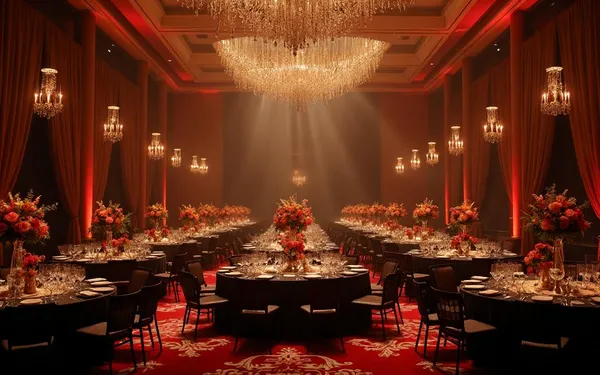
Beyond the food itself, the entire dining environment contributes to the concept alignment. Table linens, floral arrangements, lighting, and background music should all be harmonized. For a rustic, outdoor team-building event in the Turkish countryside, a farm-to-table buffet served on wooden platters, with natural linen napkins and wild floral centerpieces, would be perfect. For a sophisticated corporate summit in a luxury Istanbul hotel, fine dining with white glove service, exquisite porcelain, crystal glassware, and custom-embossed menus would be appropriate. Even the names of the dishes can be a creative extension of the brand or theme, adding an element of playfulness or intrigue. For instance, a dish at a technology conference might be named "Algorithmic Ambrosia" or "Binary Bites," directly linking the culinary experience to the event's subject matter.
Expert tip: When planning catering in Türkiye, leverage the rich local culinary heritage. Incorporate regional specialties from cities like Gaziantep, Hatay, or the Aegean coast, adapting them to the event's theme. This not only offers guests an authentic taste of the destination but also demonstrates a deep understanding of local culture, which is especially appreciated by international attendees. For example, a modern take on traditional mezes or a deconstructed Turkish delight for dessert can be both conceptual and delicious.
Sustainability and Local Sourcing
Ingredients that are in season and sourced from local producers elevate flavor while demonstrating an eco-friendly approach. Sustainable menus also reflect the brand's social responsibility awareness.
The commitment to sustainability and local sourcing is no longer a niche preference but a fundamental expectation for many event attendees and corporate clients. By prioritizing seasonal produce and ingredients from proximate farms and suppliers, not only is the carbon footprint of the event reduced, but the freshness and quality of the food are significantly enhanced. This approach resonates deeply with contemporary values, showcasing a brand's dedication to environmental stewardship and support for local economies. For an event in Istanbul, this could mean featuring organic vegetables from the nearby Marmara region, artisanal cheeses from specific Anatolian villages, or responsibly sourced fish from the Black Sea, depending on the season. Such choices tell a story of conscious consumption and ethical sourcing.
Implementing sustainable catering practices involves a holistic approach. This includes minimizing food waste through careful menu planning and portion control, composting organic waste where facilities exist, and avoiding single-use plastics. Choosing caterers who share these values and have certifications or demonstrable practices in sustainability is crucial. For example, a DMC like Magnus would partner with catering companies in Türkiye known for their "farm-to-fork" philosophy and their efforts to reduce their environmental impact. This reinforces the client's brand image as a responsible and forward-thinking organization. The increased cost often associated with sustainable sourcing can be justified by the enhanced brand reputation and the positive sentiment generated among attendees.
A strong emphasis on local sourcing also presents an excellent opportunity for storytelling. Guests are often curious about the origins of their food. Highlighting the local farms, co-operatives, or artisan producers involved in supplying the ingredients can turn a simple meal into an educational and engaging experience. This can be done through subtle menu descriptions, small placards at buffet stations, or even a brief mention during an opening speech. For international events in Istanbul, showcasing Türkiye's diverse agricultural landscape – from olives and figs in the Aegean to pistachios and spices in the Southeast – adds significant value and cultural context. This elevates the dining experience beyond mere consumption, turning it into an exploration of the region's bounty.
Key Performance Indicators (KPIs) for sustainability often include the percentage of locally sourced ingredients, the volume of waste diverted from landfills, and attendee feedback on the sustainability initiatives of the event. A common pitfall is to make performative gestures without genuinely integrating sustainable practices throughout the supply chain. Expert tip: Engage with local culinary experts and food historians in Türkiye to identify unique, indigenous ingredients and traditional dishes that are inherently sustainable and culturally rich, providing an authentic and impactful experience for attendees.
Dietary Variety and Inclusivity
Vegan, vegetarian, gluten-free, lactose-free, halal, and allergen-controlled options serve every attendee individually. This diversity shows that the brand values every person.
In today's diverse global landscape, providing a comprehensive range of dietary options is not just a courtesy but a fundamental expectation for inclusive event planning. Attending to guests' specific dietary needs demonstrates a high level of consideration and respect for individual preferences and health requirements. It alleviates anxiety for attendees with restrictions, allowing them to fully engage with the event without concern for their meal. A truly inclusive menu goes beyond offering a single vegetarian dish; it ensures that guests with various requirements feel genuinely catered for, rather than merely accommodated. This can include clearly labeled gluten-free stations, separate cooking areas for halal or kosher meals, and proactive communication about allergens.
The complexity of catering for diverse dietary needs requires meticulous planning and clear communication between the event organizer, the catering team, and the attendees. Prior to the event, a robust system for collecting dietary preferences and allergies should be implemented, ideally within the registration process. This information must then be accurately relayed to the culinary team, who can design dishes that are either naturally compliant or easily adaptable. For larger events, having dedicated chefs or kitchen stations for allergen-free preparation is paramount to prevent cross-contamination, a critical concern for those with severe allergies. A DMC like Magnus would emphasize the importance of having a chef on-site who can speak directly with guests about ingredient lists and preparation methods, especially in a country like Türkiye where certain local ingredients might be unfamiliar to international guests.
Beyond strict dietary restrictions, cultural and religious considerations also play a significant role. For events hosted in Türkiye or involving a significant Muslim demographic, providing halal-certified meat and avoiding pork and alcohol (or offering non-alcoholic alternatives prominently) is essential. Similarly, for events with a Jewish demographic, kosher options might be required. The goal is to make every guest feel valued and comfortable within the dining environment. This inclusivity extends to taste preferences as well; offering a balance of mild and spiced dishes, or options with various textures, caters to broader palates.
KPIs for dietary inclusivity include the percentage of attendees for whom dietary needs were successfully met, positive feedback regarding menu options, and the absence of any reported adverse reactions due to dietary oversight. A common mistake is assuming that a "vegetarian" option will inherently cover all non-meat eaters, neglecting vegans or those with other restrictions. Expert tip: For international events in Türkiye, always ensure that key menu items are translated into English and clearly mark all potential allergens (e.g., nuts, dairy, soy, gluten) and dietary categories (e.g., vegan, halal, vegetarian) with universally recognized symbols. Training server staff to confidently answer questions about ingredients is also critical.
Interactive Service Design
Action stations, live chef presentations, molecular gastronomy corners, and DIY workshops transform food into an experience. Attendees do not just eat; they collect a memory.
Moving beyond static buffets or traditional plated dinners, interactive service design transforms the act of eating into an engaging and memorable experience. These dynamic culinary elements not only provide fresh, customized food but also foster social interaction, entertain guests, and create talking points throughout the event. Action stations, where chefs prepare dishes à la minute, such as a pasta bar, a carving station for Turkish döner or a grill for fresh seafood, inject energy and theatricality into the dining space. For an event in Istanbul, imagine a live chef preparing çiğ köfte (raw meatballs) or gözleme (savory Turkish flatbread) right in front of guests, allowing for immediate customization and a direct connection to the culinary process.
Molecular gastronomy corners, while requiring specialized expertise, can add an element of scientific wonder and sophisticated playfulness to high-end events. Think nitrogen-frozen ice cream, edible "foams" or "caviar" made from fruit juices, or deconstructed desserts. These techniques are often conversation starters and provide excellent opportunities for social media sharing due to their unique visual appeal. DIY workshops, such as a Turkish coffee preparation station where guests learn to brew and even fortune-tell, or a baklava decorating class, turn passive consumption into active participation, creating deeper engagement and lasting memories. These interactive elements resonate particularly well with younger demographics who seek experiential value.
The success of interactive stations lies in careful planning of flow and staffing to avoid long queues and ensure a smooth experience. Each station should have a distinct offering and sufficient space for guests to gather, watch, and interact. The chefs operating these stations should be not only skilled culinarily but also possess engaging personalities, capable of interacting positively with guests and explaining the dishes. In a Turkish context, a chef demonstrating the proper way to stretch dough for börek or preparing traditional Ottoman sherbets can be highly captivating. These stations also provide opportunities for brand integration, such as a custom sauce created for a company's product launch or a signature cocktail inspired by the event's theme.
KPIs for interactive catering can include guest satisfaction scores for the dining experience, social media engagement related to specific food stations, and anecdotal feedback on memorable moments. A common mistake is to over-complicate stations, leading to slow service, or to understaff them, resulting in frustration. Expert tip: For a truly unique Istanbul experience, consider a "Spice Market" concept, where guests can blend their own spice mixtures under expert guidance, or a "Turkish Delight Atelier" allowing them to choose flavors and toppings for their personalized lokum – these are both interactive and deeply rooted in local culture.
In the age of Instagram and ubiquitous smartphones, the visual appeal of food has never been more critical. A beautifully plated dish transcends mere sustenance; it becomes an aesthetic statement, a piece of edible art that compels guests to capture and share their experience online. This organic social media amplification extends the reach of the event far beyond its physical confines, generating buzz and strengthening the brand's perception as sophisticated, detail-oriented, and memorable. Each dish, therefore, should be meticulously designed not only for taste but also for its photographic potential, incorporating elements of color, texture, and artistic arrangement.
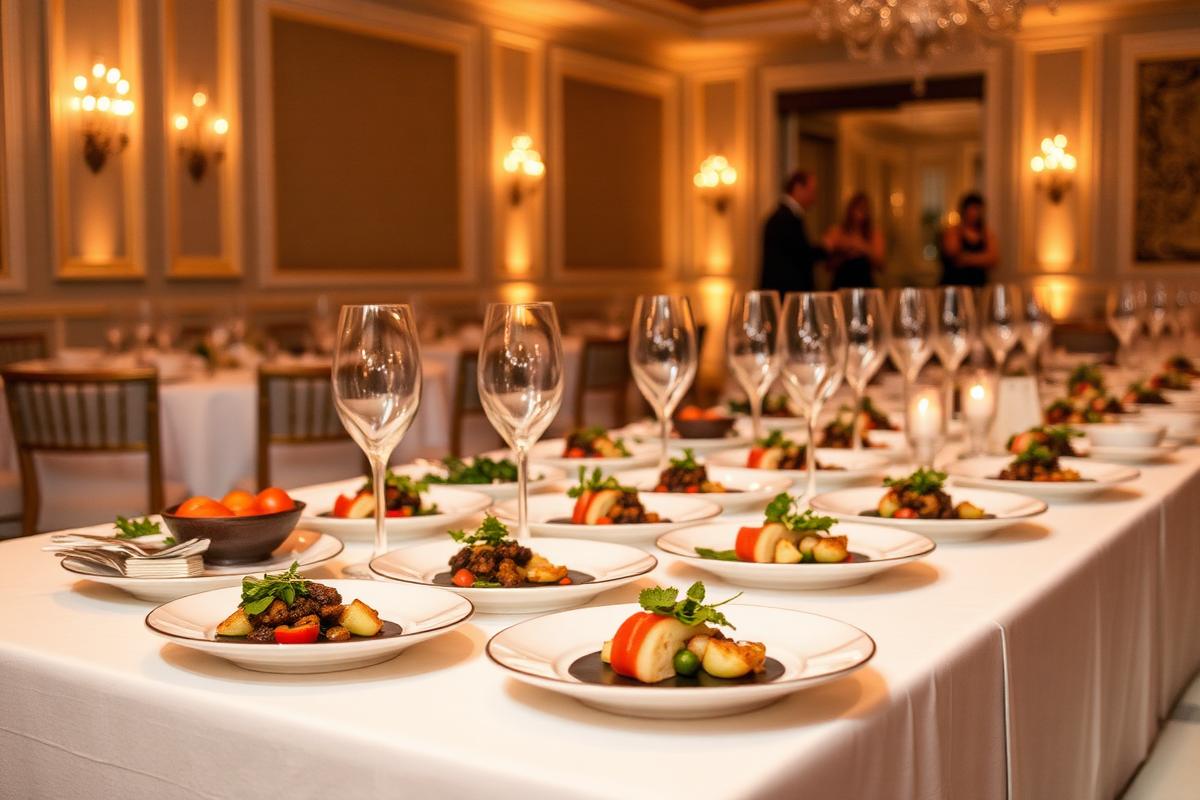
Achieving photo-worthy presentation involves several key considerations. Color contrast is vital; a vibrant red sauce against a crisp white fish, or colorful microgreens against a rich brown meat, immediately catches the eye. The use of negative space on the plate, architectural plating techniques (stacking, layering), and interesting garnishes (edible flowers, herb sprigs, drizzles of sauce) all contribute to a professional, visually stunning result. Plateware itself plays a significant role; unique shapes, earthy textures, or custom-branded plates can elevate the presentation. For a corporate event, incorporating brand colors subtly into the plating, perhaps through specific ingredients or garnishes, further reinforces brand identity.
Event planners should actively encourage social sharing by creating dedicated hashtags and offering photo opportunities at the catering stations. This might include beautifully lit food displays, unique dessert tables, or custom backdrops where guests can pose with their artfully presented meals. The trend of "food porn" on social media demonstrates the power of visual gastronomy. When guests are delighted by the appearance of their meal, they are more likely to share it, effectively becoming brand ambassadors. This extends the lifespan of the event's marketing efforts and creates a lasting impression.
KPIs for visual aesthetics and social sharing include the number of social media posts featuring event food, reach and impressions of relevant hashtags, and positive sentiment analysis regarding the culinary presentation. A common mistake is overlooking the importance of lighting in the dining area; even the most beautiful dish can look unappetizing under poor lighting. Expert tip: Collaborate with the chef to develop a "signature dish" or a dessert that is specifically designed to be highly photogenic and Instagrammable, perhaps incorporating a locally inspired element like an edible calligraphy of a Turkish proverb or a dessert shaped like an iconic Istanbul landmark.
Sonuç: Catering ve menü tasarımı sadece karın doyurmakla kalmayıp, bir marka deneyiminin ve etkinliğin bütünlüğünün ayrılmaz bir parçasıdır. Her detay – menüden sunuma, sürdürülebilirlikten kapsayıcılığa, interaktif elementlerden görsel estetiğe kadar – katılımcıların zihninde kalıcı bir iz bırakarak etkinliğin başarısını pekiştirir. Magnus DMC olarak, İstanbul’un zengin kültürel mirasından ilham alan, her damak zevkine hitap eden ve her ayrıntısıyla markanızın değerlerini yansıtan menüler tasarlayarak etkinliklerinizi unutulmaz kılmayı hedefliyoruz. Özenle hazırlanmış bir gastronomi yolculuğu, katılımcıların yalnızca etkinlik boyunca değil, çok sonrasında da keyifli anılar biriktirmesini sağlar.